The Weesp fortress
In the Middle Ages there was already a settlement here. The history of Weesp goes back to the eleventh century. The name Wispe or Wesopa first appears around 1150.
Weesp was granted city rights on May 20 1355. In the following centuries it grew into a bustling fortified city. Gin and beer, as well as cocoa, were the economic drivers for a long time. Weesp was then still part of the New Great Roman Empire.
This changed on May 15, 1648 after the signing of the Peace of Münster. The treaty that was concluded between Spain and the Republic of the Seven United Netherlands. Weesp then finally became part of the Seven United Netherlands. Which will later become the current Netherlands.
Weesp became a fortified town and would become part of the Dutch “Waterlinie” (a wide and long stroke of land round the city of Amsterdam that could be floaded at times of enemy attack. This, protected Weesp and Amsterdam against the Prussians who stood in front of the eastern gates of Weesp on September 22, 1787. The Prussian troops have not yet disappeared or revolutionary armies from France are already at the gate.
After the fall of Napoleon, King William the first decided to build the New Dutch Waterline in 1815. During the invasion of the German army in May 1940, the polders around Weesp were still flooded, but this did not slow their advance.
Before the 2nd WW Weesp had around 7100 inhabitants. Now around 21000. More recently Weesp became a commuter place for nearby Amsterdam and from March 2022 Weesp will be part of the municipality of Amsterdam.

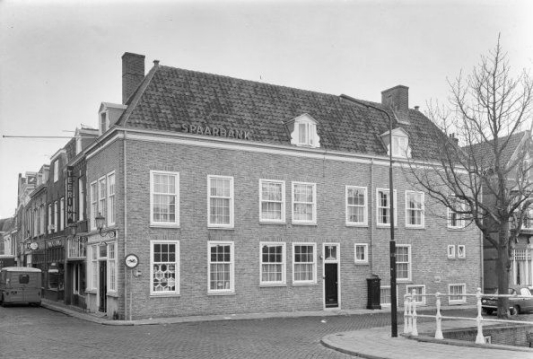
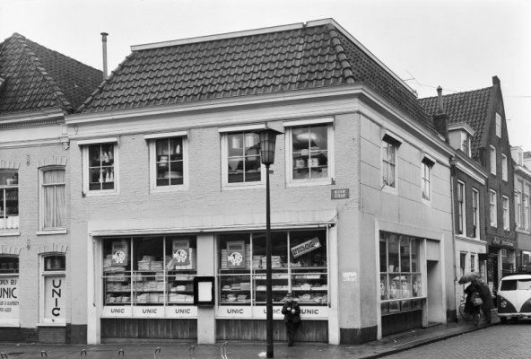
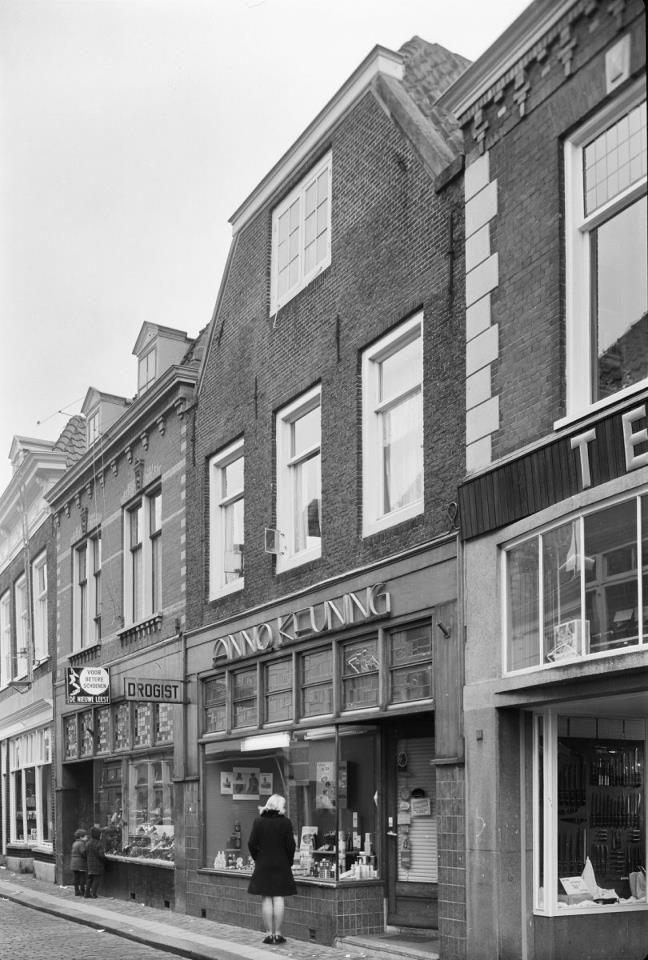
The oldest house Weesp
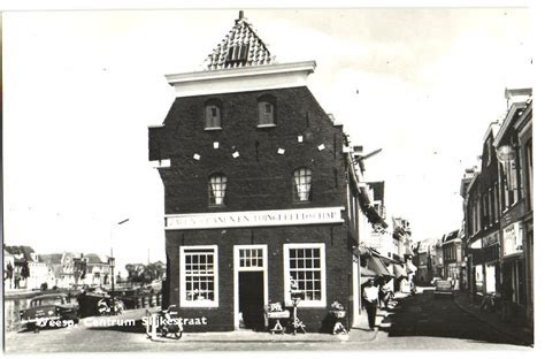
The oldest street in Weesp is in the Slijkstraat. Where you will find more of the oldest houses.
Probably the oldest house is the building you now stand in front of, Slijkstraat 52.
In the Slijkstraat you will find many monumental buildings. Fortunately, most of the old storefronts have remained intact. There are also shops with modern shop windows. But if you look up you will see the beautiful old medieval fronts again.
52°18’29.9″N 5°02’25.1″E
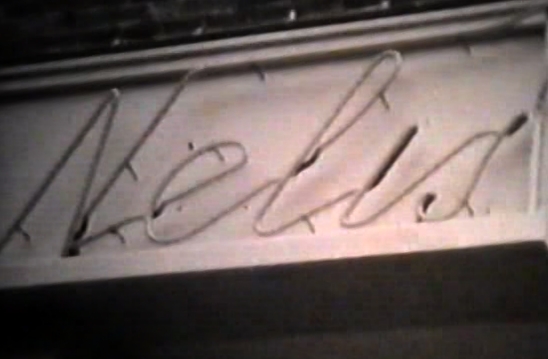
IJssalon Nelis (Ice cream parlour Nelis)
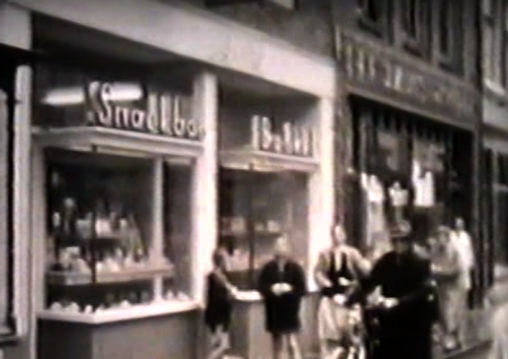
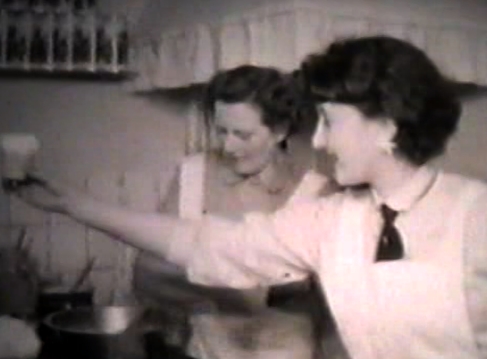
In the Slijkstraat is this building from the 17th century. Nelis has been around since 1898 and the snackbar Nelis has been there since 1984. Amongst other Dutch warm snacks they were already selling ice cream, now they sell just ice cream. Have a taste!
And as the Weesper song states “You can only say that you are Weesper when you know the way to Nelis”.
52°18’29.7″N 5°02’27.5″E
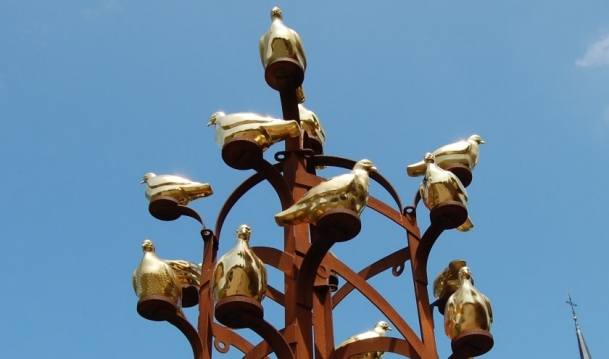
The Pigeon Arbor
This gazebo was designed in 2005 by artist and former Weespse Marte Röling.
The unveiling took place May 5, 2006. The artwork was a gift from the city council to the citizens of Weesp. It is a reminder of the big city festival in 2005 with which the Weespers celebrated 650 years of city rights.
52°18’30.4″N 5°02’25.2″E
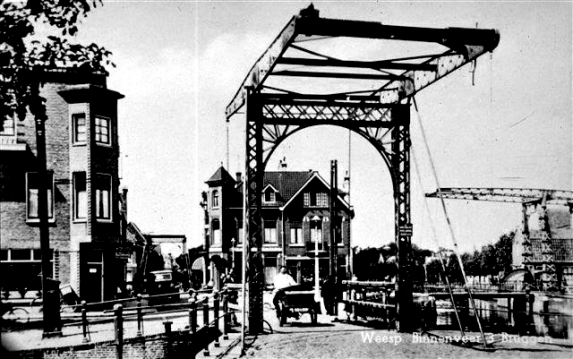
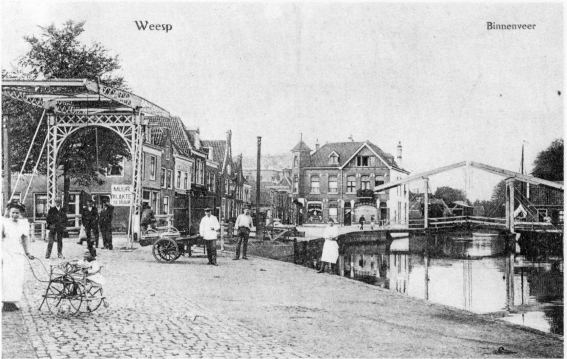
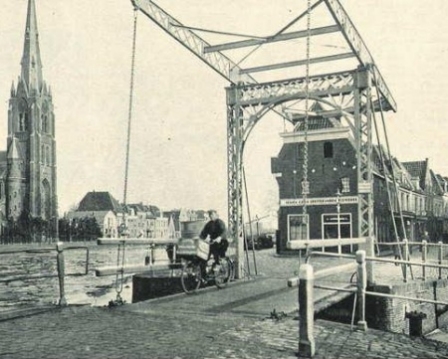
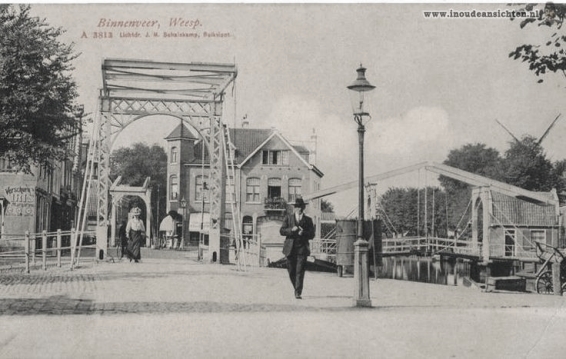
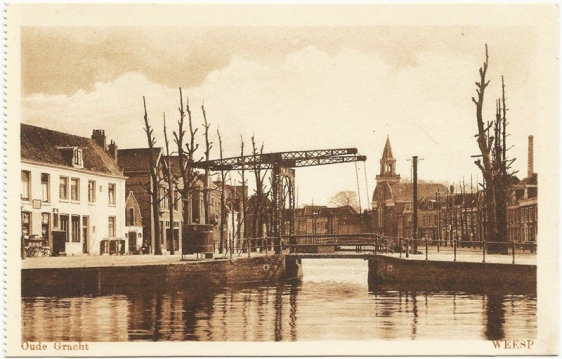
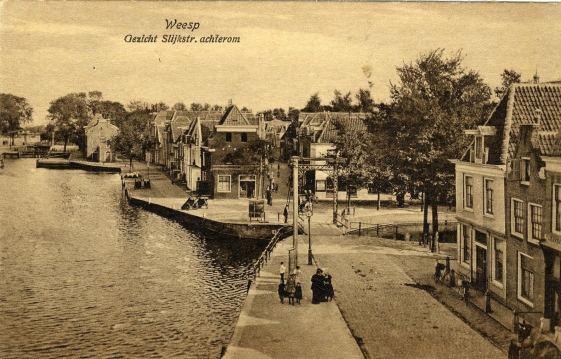
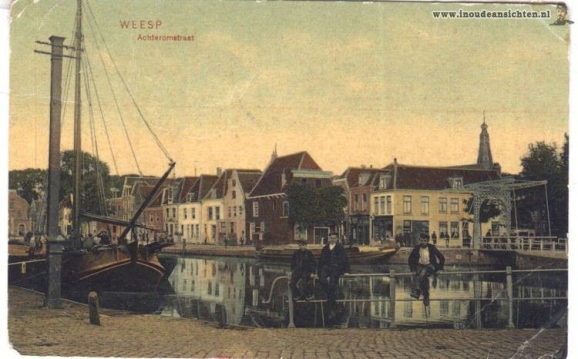
De Slijkstraatbrug en Geinpoort
Despite the earth walls that Weesp are intended to protect, they could not prevent the city from being conquered several times by oncoming enemy troops and was plundered empty.
At that time of Emperor Charles V, Weesp must have counted about 200 good houses. The city was then known for its fabric industry.
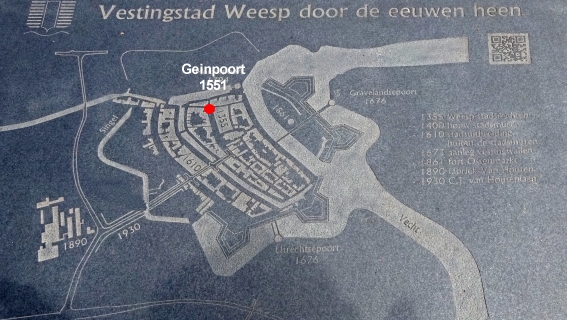
Around 1551 there was a wall errected at the borders of the city. One of the gates, “de Geinpoort”, was at this spot.
With the next enlargement of Weesp and the realization of the Achtergracht around 1600, the function of this city gate not necessary anymore and a bridge was built here.
On the picture below you can see the old bridge over the “Oude gracht” and the “Binnenveer”. This bridge was replaced in 1959 by the now stone arch bridge
52°18’29.9″N 5°02’24.2″E
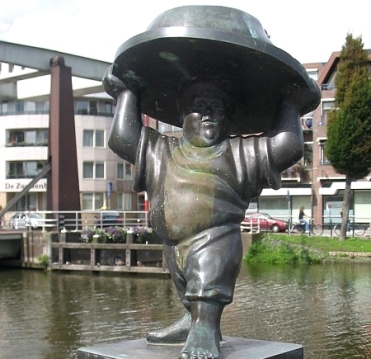
The Weespermoppen baker
This figuration is named after the people who make the delicious almond paste cookie. The cookie has been backed by at least 5 generations. The first mention of the cookie goes back some 250 years to the year 1772.
52°18’30.1″N 5°02’23.0″E
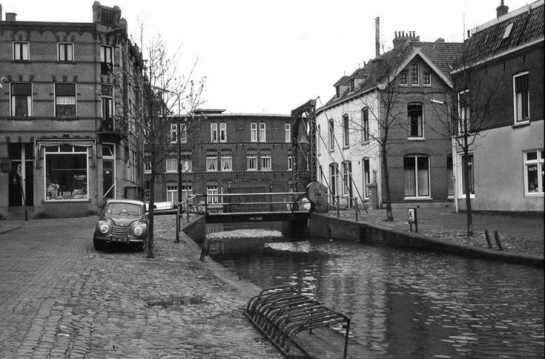
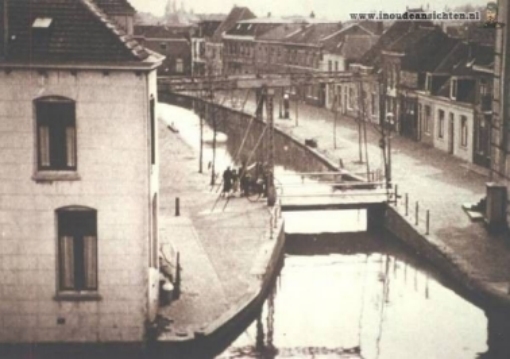
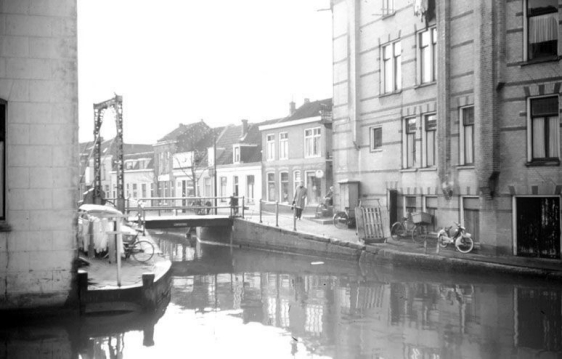
De Geinpoortbrug
The former bridge over the Achtergracht between the Binnen- and Buitenveer. This bridge disappeared in 1964 from the street scene because of the filling up of the Achtergracht. It is a street now.
Until the sixties of the last century, water flowed through the Achtergracht for more than three centuries.
Weesp decided to filling up the canal to give space to the growing car traffic. The canal also smelled terribly, due to poor flow and because an adjacent dairy factory Neerlandia spilled milk and other waste in it.
The name of this bridge may confuse you. But the Geinpoort was a little more towards the Slijkstaart. This canal was dug around 1600.
52°18’29.8″N 5°02’20.1″E
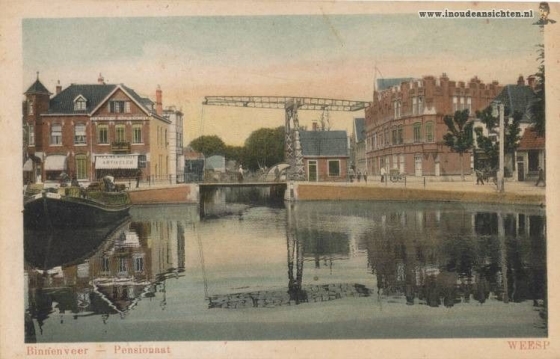
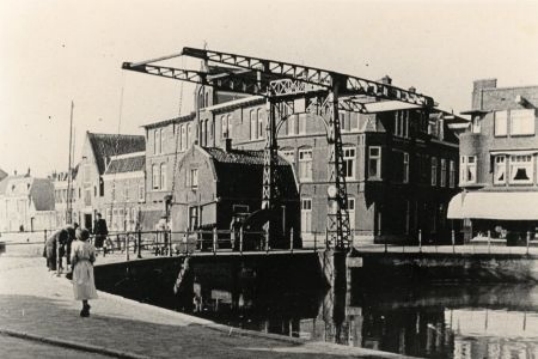
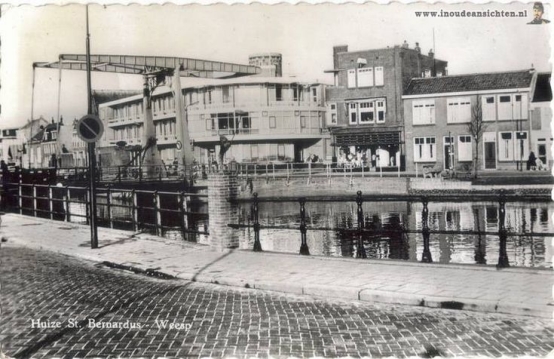
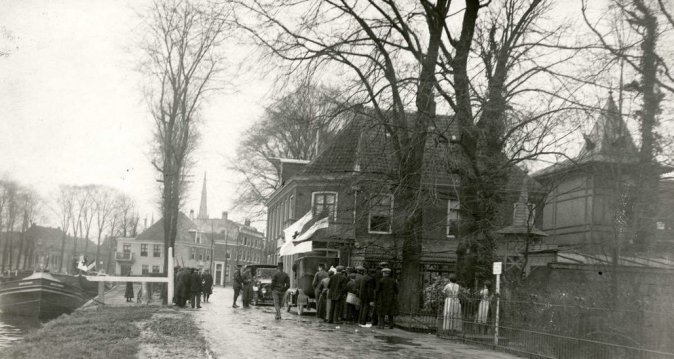
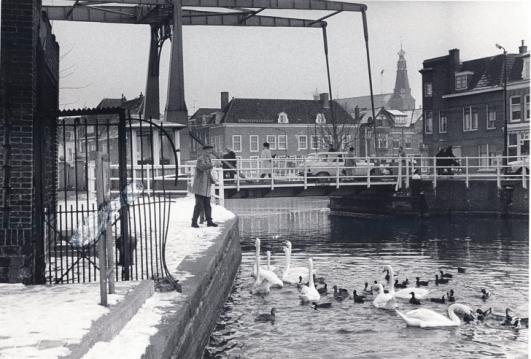
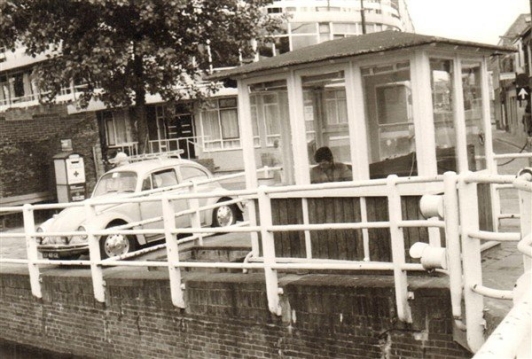

Smal Weesp en De Zwaantjesbrug
“Smal Weesp” has been connecting the Vecht since the 1700th century with the then important rivers Gein and Gaasp.
The name “smal” (Narrow) probably originated for the reason that ships could hardly pass here.
Once the canal was dug, you could sail from Weesp along Smal Weesp and the Gaasp to Diemerbrug and to the Amstel. The Weesper Trekvaart ended at the Omval (near the current Amstel station). Amsterdam used ships to get clean drinking water from Weesp and the Vecht.
Thanks to the fresh water, many breweries settled in Weesp, most of the beer went to the capital and the V.O.C. The Vlaamsche Docter was one of the well-known beer brands brewed here. There were many transports with genever (Dutch gin) over the Smal Weesp to Amsterdam.
This bridge dates from 1978. But there must have been a bridge on this spot over the Smal Weesp for centuries.
52°18’30.6″N 5°02’21.8″E
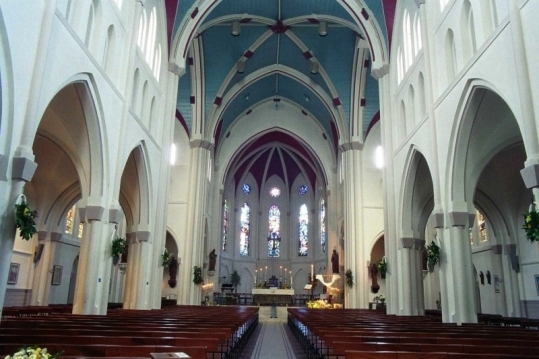
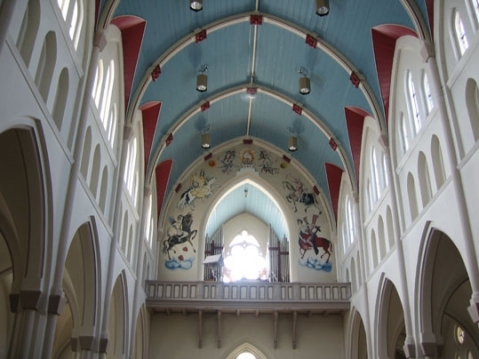
The Laurentius church
The Saint Laurentius Church is a former Roman Catholic church.
The Grote Kerk of Weesp was originally also dedicated to Saint Lawrence and Mary Magdalene, but passed to the Protestants after the Reformation.
This church had almost disappeared out of the street scene of Weesp due to a fire broke out in the spire on 8 November 2016
The building is a municipal monument that now houses a beer brewery and a catering business. Once upon a time there has been a gin distillery here before. The church is famous because of it’s characteristic large green cross on the tower, a beacon for airplanes too!
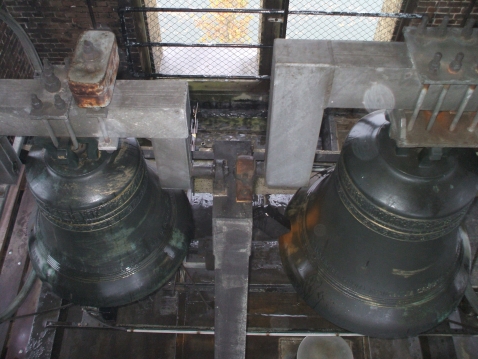
The bells stopt ringing when the church ceremonies stopt.
52°18’32.8″N 5°02’27.1″E
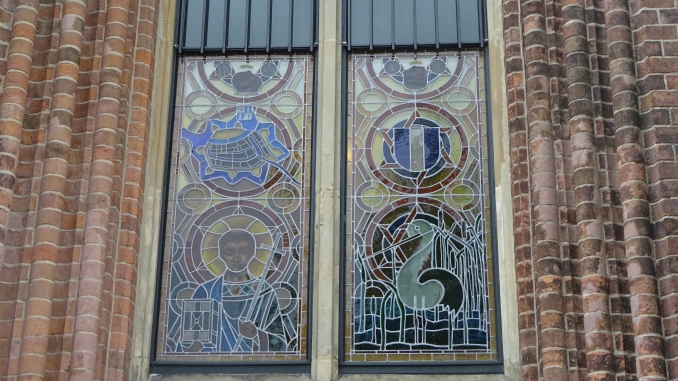
Janton Storkplein
Janton Stork was a well-known Weesper architect and was involved in the renovation of the church. In the window above the door, you will see a stork in rememberance of him.
52°18’32.6″N 5°02’27.1″E
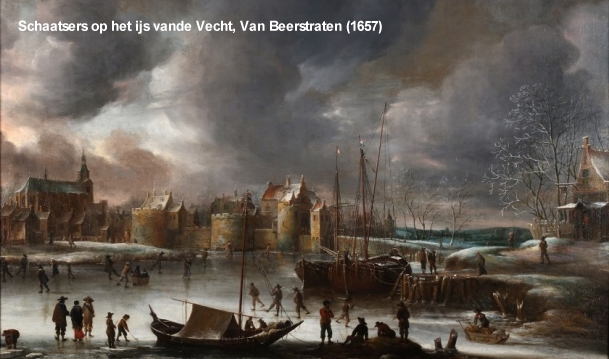
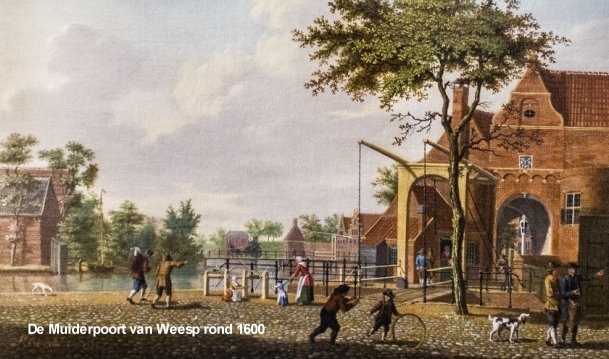
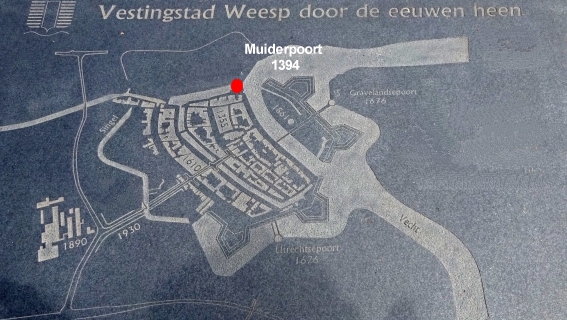
De Muiderpoort
This painting made in 1657 by the painter Jan van Beerstraten shows Weesp as seen from the Stationstraat. The painters most likely stood in this place when they made their sketches.
This city gate was demolished 180 years ago.
On the far right you can see something else very interesting: an inn or café. Could that be the predecessor of the current café ’t Helletje? From archival research it is known that there are mentions of buildings dating back to 1560. It wasn’t until around 1700 that the name Het Helletje appears on that spot as a gin distillery. This painting suggests that something of an outburse could already be found. source WN
52°18’36.0″N 5°02’37.7″E

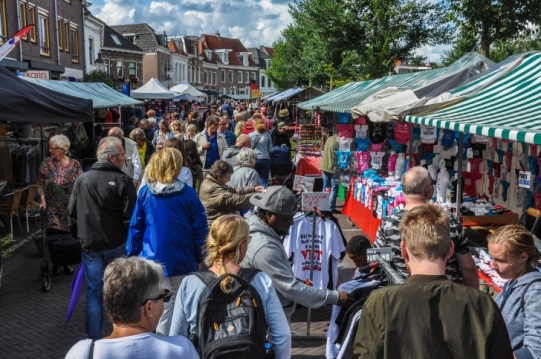
The Sluisbrug en het Sluis en bruggen event
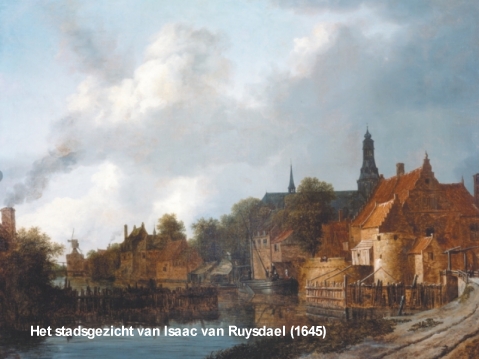
The old paintings by Jan van Beerstraten and Isaac van Ruysdael not only show a gate and also a drawbridge clearly. After the demolition of the gates, the bridge remained.
It can be expected that in the meantime there has always been a bridge here, but in 1962 the locks and the lock bridge were no more than a construction site and there was a fixed emergency bridge
In 1978, the lock between Smal Weesp and the Vecht was restored.
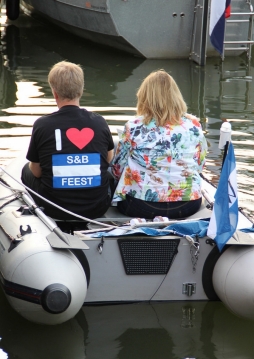
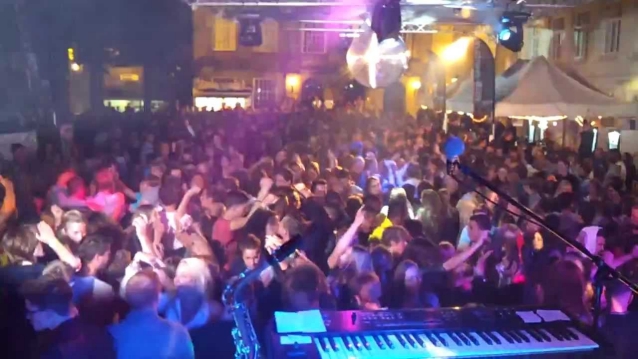
This was the reason for the traditional Sluis and Bruggen event in Weesp. Still every year in the last weekend of August, the Sluis and Bruggen event is celebrated around this bridge and also throughout Weesp
52°18’32.4″N 5°02’34.1″E
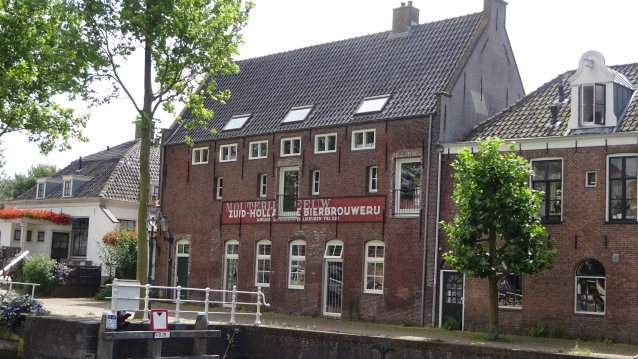
Gin and beer
In the 1700th century, half of the 2300 inhabitants lived brewing beer. It was the beer breweries that first discovered the fresh Vecht water and not long after that the gin distilleries followed that had been banned from Amsterdam because of their stench. Much of this gin and beer was sold to the VOC. They took it with them on their ships on their far journeys.
But not all breweries disappeared from Amsterdam. Due to the growth of Amsterdam, there was no longer any clean brewing water to be extracted from the Amstel and the canals. But due to the daily supply of Vecht water from Weesp, for example, beer brewery Heineken could continue to exist. In large barrels on boats the water went to Amsterdam. In order to facilitate the supply in these mainly draught vessels, the Weesper draught has been dug. This road still exists and is now the Provincial Road (N236) to Amsterdam.
52°18’31.9″N 5°02’32.9″E
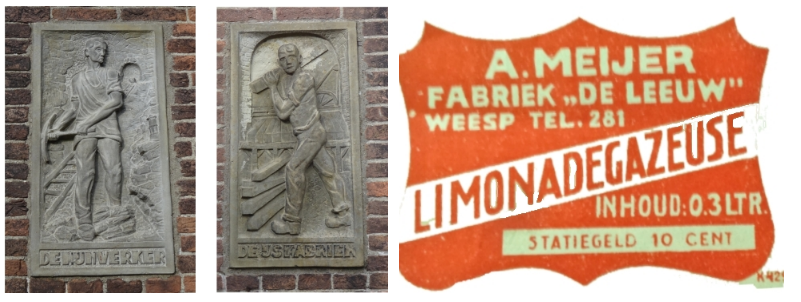
Brewery, lemonade factory and ice factory
In the building on the Achterom there have been several beer breweries of which brewery ‘De Trompet’ appears as the oldest name and brewery and malthouse ‘De Leeuw’ was the best known. It closed its doors around 1930.”
“After the brewery stopped, a lemonade factory was established in part of the building. It was bought in 1932 by the Bussumer Aldert Meijer who continued the factory under the name ‘Mineral water and Lemonade factory De Leeuw’.
A year later, ‘Brandstoffenhandel v/h Lukkes NV’ and the ‘Electrische Weesper IJsfabriek De Leeuw’ opened their doors in the same building. The ice factory, which made ice bars for industrial use, stopped in 1938. The fuel trade in 1944.
The building itself, which older Weespers still know as ‘De Tapperij’, is a national monument that probably dates from the 17th century.” source WN
52°18’31.2″N 5°02’29.8″E
The Slijkstraat, dirt and pigs
Because the industry of Weesp from the 1600 to the 1800th century consisted mainly of producing beer and gin. And because this was made from grain, the rest of the product of elaborated grain and hops usually ended up on the street.
This had as a nice side effect that this residual product was eaten by the pigs that walked here. In many cities it was the case that there were also many city farms. This was no different in Weesp. Chickens and pigs just walked down the street.
The pigs that naturally became mud fat from this still only since alcohol-consisting wastes became naturally within the short time mud fat of this. And so, just like the beer and gin, could also be sold to the V.O.C, who took it on the ships for their long voyages by sea.
52°18’30.5″N 5°02’34.6″E

Gemeentehuis (Town Hall) Weesperkarspel
Once upon a time, the Town Hall of Weesperkarspel was located here.
Weesperkarspel is a former municipality and was largely located in the Vechtstreek.
The municipality was added to the municipality of Weesp in 1812, and on 1-5-1817 again split off from the municipality of Weesp (at the beginning of the 19th century, many rural areas in our country were – again – split off from the cities into separate municipalities.
In 1848 the municipality was enlarged with the municipality of Bijlmermeer.
As of 1-8-1966, the municipality was dissolved and distributed over a number of surrounding municipalities.
52°18’27.8″N 5°02’36.4″E
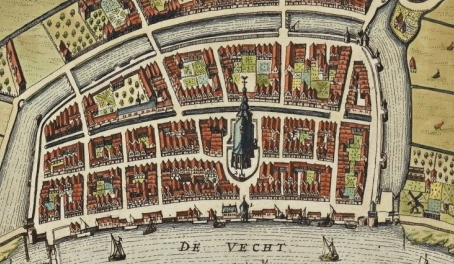
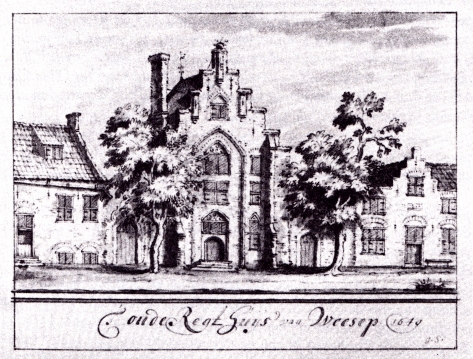
Wooden medieval houses
In the Middle Ages, there were wooden houses here along the full length on the banks of the Vecht.
In the middle of the picture below (at the V) you will also see the first town hall (Regthuys) of Weesp
52°18’27.6″N 5°02’37.8″E
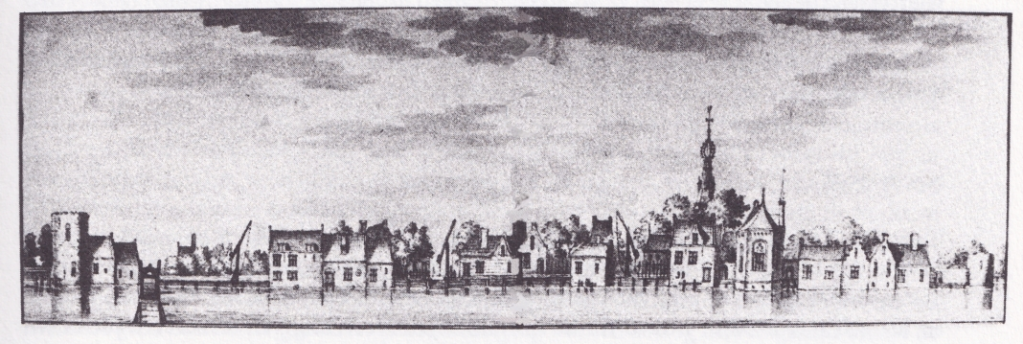
De lange Vechtbrug (The long Vecht bridge)
The bridge crosses the Utrechtse Vecht and connects the Hoogstraat with the Ossenmarkt located on an island in the Vecht. The name of the bridge refers to the length of the bridge in relation to other bridges over the Vecht.
De Lange Vecht bridge has not always been located here. Around 1600 the bridge was still at the end of the corner Hoogstraat/Achter ’t Vosje. It was then a pound bridge just like we know from Queen Emma Bridge on Curaçao.
To get to the bridge from Weesp you first had to go through the Klinketpoort. This gate was also called Sint Laurents- or Zuiderpoort. It was not uncommon for ports to have multiple names. For example, the Muiderpoort was also called Noorderpoort. After the Noordersluis of the same name. And the Geinpoort Amsterdam-poort.
The old Lange Vechtbrug and Klinketpoort are clearly visible on the left of the drawing ‘View of the Hoogstraat from over the Vecht’ by Jacob Stellingwerf (1639).
52°18’25.7″N 5°02’42.1″E
War monument ‘Widow with Child’
Sculptor Aleida Cornelia Buma-Van Mourik Broekman has described the meaning of the sculpture as follows: ‘The monument represents a sitting widow and expresses the sadness and resignation in the loss of the fallen’
The monument was unveiled on 5 May 1955, on the occasion of the commemoration of 10 years of freedom
52°18’26.7″N 5°02’43.8″E
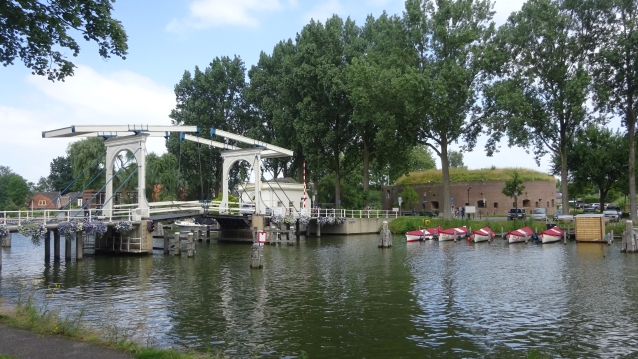
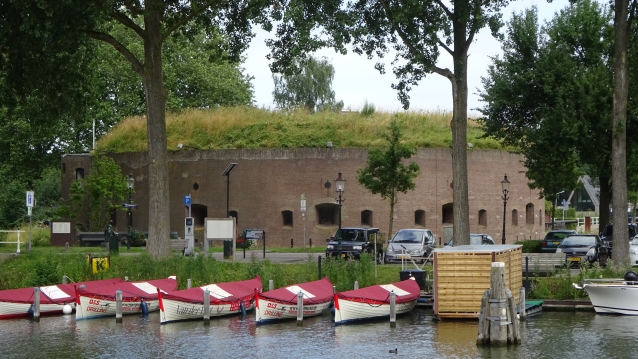
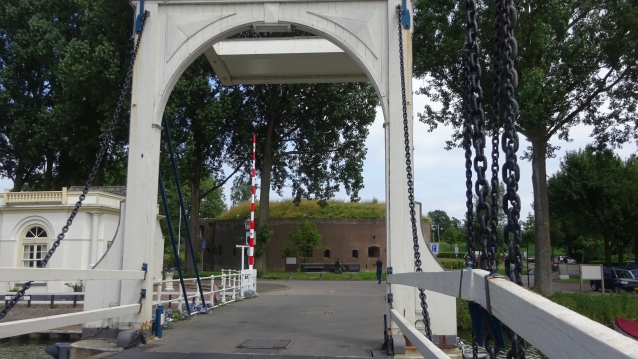

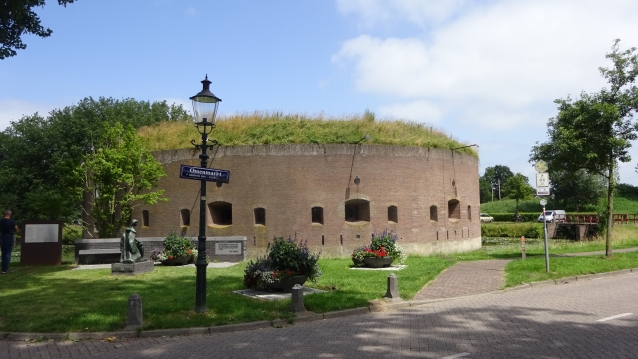
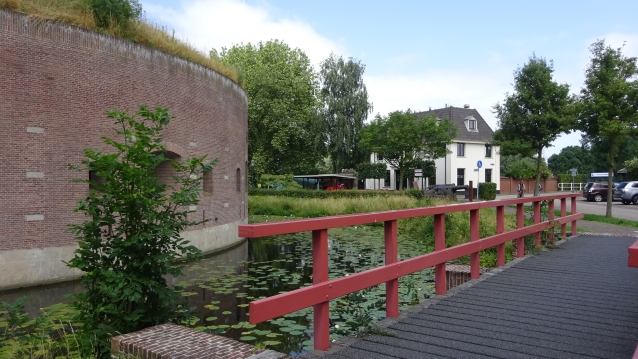
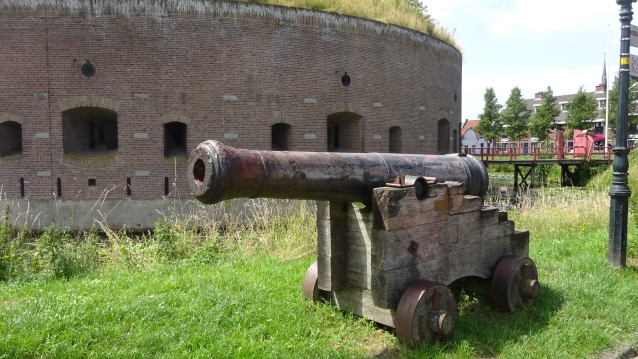
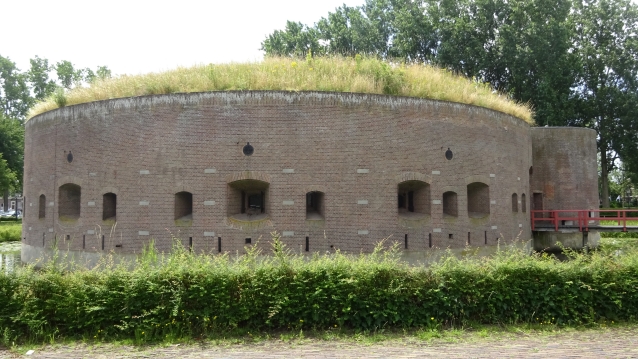
Fort Ossenmarkt (Fortress Ox-market)
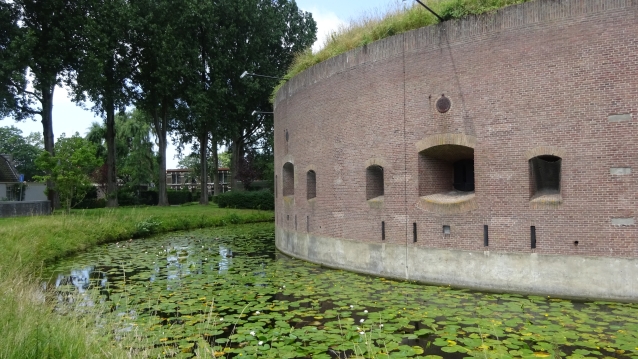
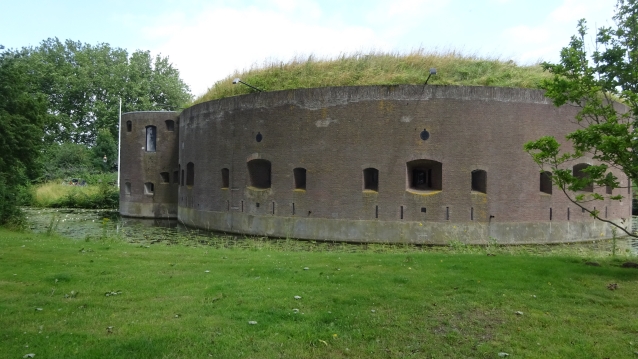
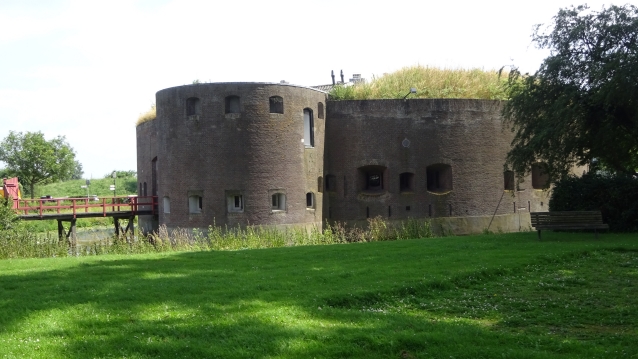
The Weesp fortress, like that of Muiden, has been part of the Hollandse Waterlinie (Dutch Water front) since the seventeenth century because of its strategic location.
Of the planned eight bastions, only four had been realized at the end of the nineteenth century, when Weesp was added to the new Stelling of Amsterdam. Of the other four, the floor plans can still be recognized in the street pattern of the city, but they were never built.
The characteristic Tower Fort was built in 1861. The construction took about two years. From 1892 the fort was part of the Defence front of Amsterdam.
In the beginning of the twentieth century, an additional cover wall was built on the east side of the fortress. At the same time, part of the moat was muffled and the drawbridge that gave access to the fort was also demolished.
During the restoration works from 1983 to 1985, the shore was excavated again and the canals and bridge were restored the fortress of Weesp played an important role in the defense of the two banks of the
Vecht, the locks in this river and of the railway connection Amsterdam Hilversum with the bridge over the Vecht.
52°18’27.5″N 5°02’45.1″E
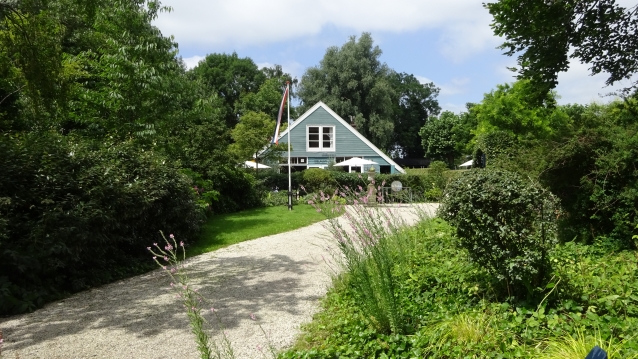
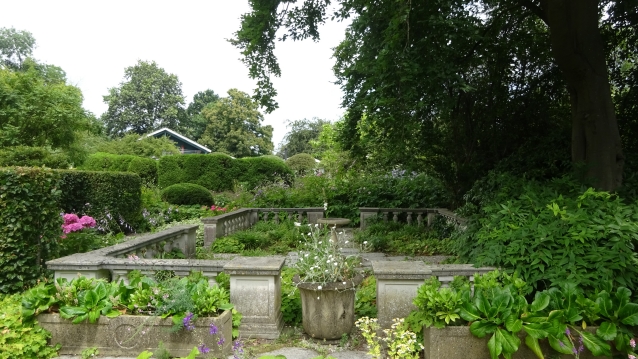
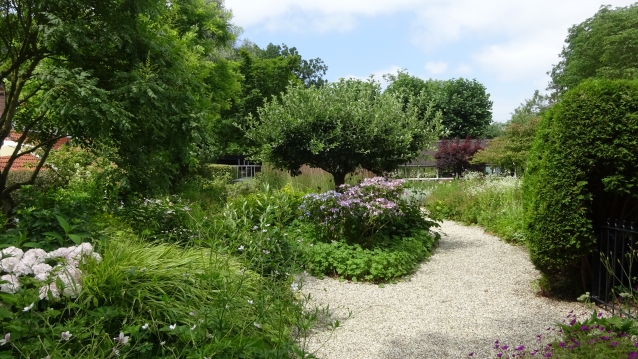

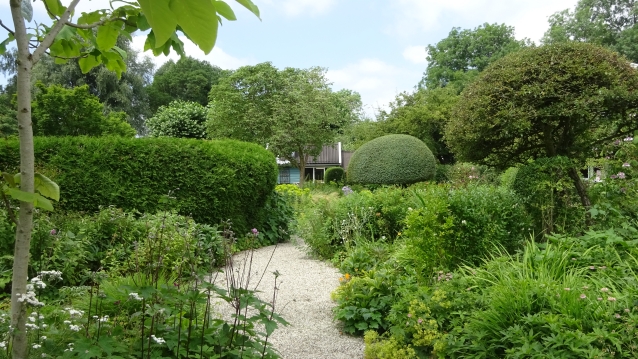
De Theetuin (The Tea Garden)
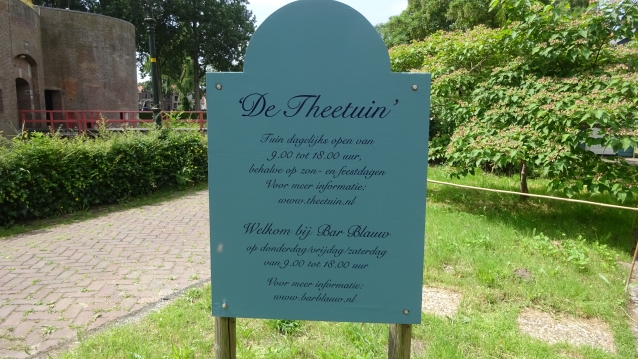
The Theetuin of Weesp is located on one of the four bastions of this old fortified town. This Bastion Bakkerschans dates from 1674 and is surrounded by a ramparts with stately old trees. This historic place on the ramp is a hidden oasis in the green The ammunition shed built in 1875 has been transformed into an attractive tea house.
52°18’31.1″N 5°02’42.7″E
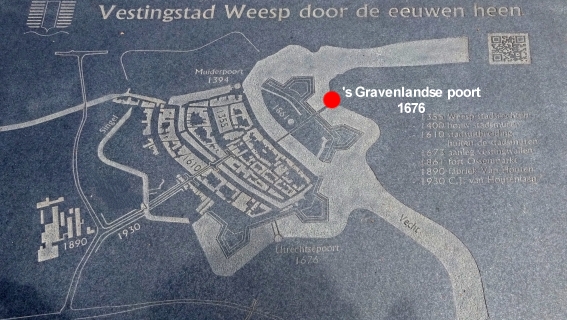
The ’s Gravenlandsepoort (gate)
The ‘s-Gravelandseweg is one of the oldest roads that lead to Weesp. It used to be around 1500 that it was the road from Amsterdam to Utrecht. If you approached Weesp from this side you could go via the ’s Gravenlandsepoort the city of Weesp. The ’s Gravenlandsepoort that was built in 1676 was one of the four gates that Weesp has known. And that Weesp protected together with the Utrechtsepoort on the other side of the shore.
52°18’29.5″N 5°02’48.9″E

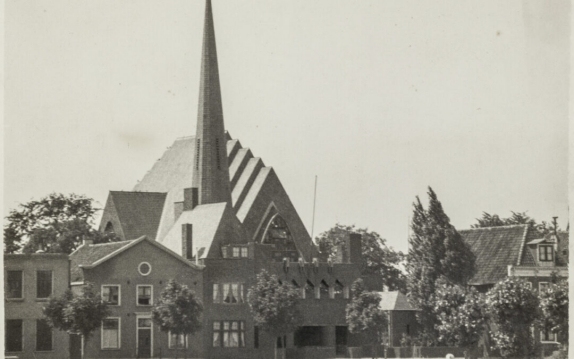
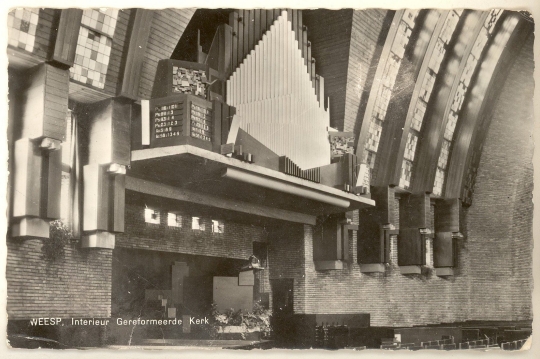
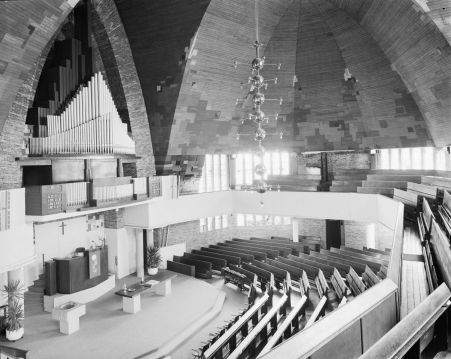
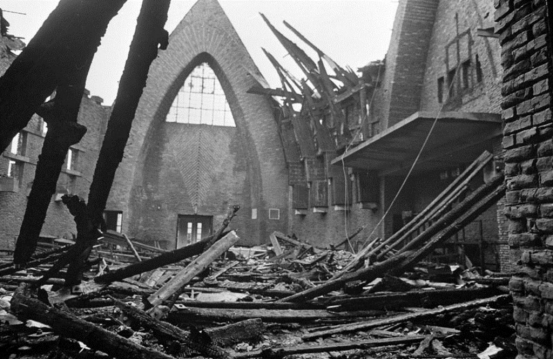
Presbytery and Deaconess
As remnants of the Reformed church building from 1928, which burned down on 3 April 1968, these two buildings have a cultural-historical value for Weesp.
For forty years, this imposing church with its expressionist architecture, a masterpiece by architect Reitsma from the interwar period, helped to measure the cityscape of Weesp.
In the large city fire of April 3, 1968, which raged in a part of the city center, the church also caught fire. The rectory and deaconess were miraculously spared. From the church a lacquered ruin remained
52°18’21.6″N 5°02’45.7″E

The Weesper Automatenkabinet
Het Weesper Automatenkabinet houses a large collection of historical vending machines.
Both the European pioneers Everitt and Bussoz, as well as the large American vending machine builders, are well represented.
The collection includes several hundred antique skill, sales, music, and slot machines. Fairground equipment, scales, soothsayers, mechanical magic tricks and related attributes.
These numbers are all the more remarkable when one considers that a number of devices are completely unique, such as, for example, the smallest working slot machine in the world the size of a die, or a Chinese slot machine that has endured the times of persecution.
Everything in good working condition.
Unfortunately, this cabinet is only open on request.
52°18’25.9″N 5°02’35.6″E
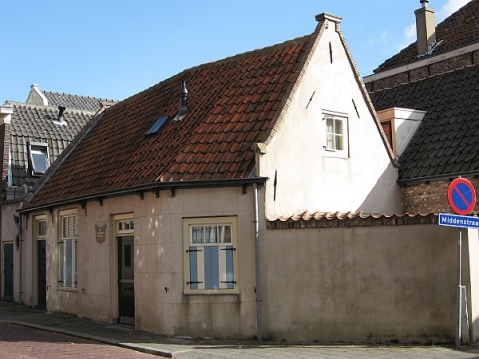
Facing brick De Goude Reaal (The Golden Reaal)
“De Gouden Reaal” is a unique plastered cross house under a tiled gable roof in the Kerkstraat of Weesp. The property was built in 1697. The building, like many buildings in Weesp, was in very poor condition in the 60s.
The name Reaal is derived from the coin that was issued under Emperor Charles V and was also called Imperiale.
52°18’26.2″N 5°02’35.1″E

Facing stones Geloof, hoop & liefde (Faith hope and love)
Weesp has many beautiful facing bricks. At Middenstraat 9 and 11 you will see three beautiful examples that belong together: faith, hope and love. The houses in which they are bricked date from 1665, as the year in the façade tells us. The buildings used to begin distilleries, which could be found everywhere – just like beer breweries – in this neighborhood. Jenever and beer were the pillars of the wealth of the 17th- and 18th century Weesp.
The owner of the distillery, Cornelis van Drosthagen (you can read his name between the facing bricks), did not live in this bustling street, but on a stand on the Hoogstraat with a view of the Vecht. He was one of the richest inhabitants of Weesp and a great benefactor. On the facing brick a little further on, at no. 18, he is gratefully commemorated. And to this day, charities in Weesp are supported by the fund he left behind after his death. Source: VVV Gooi &Vecht.
Faith, hope, and love is a part of the New Testament 1 Corinthians 13:13
52°18’29.1″N 5°02’32.6″E
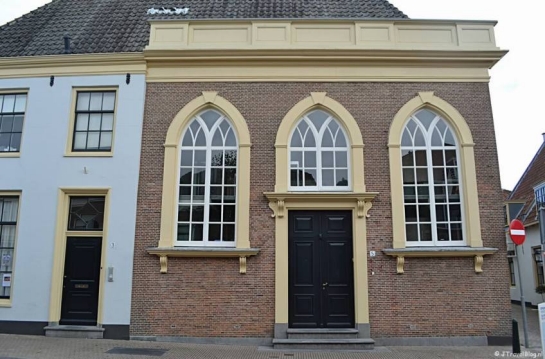

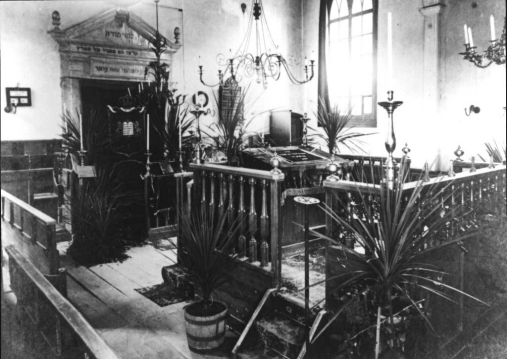
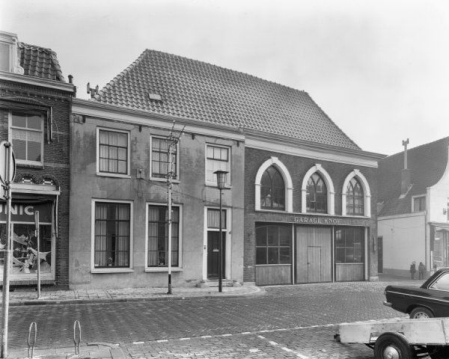
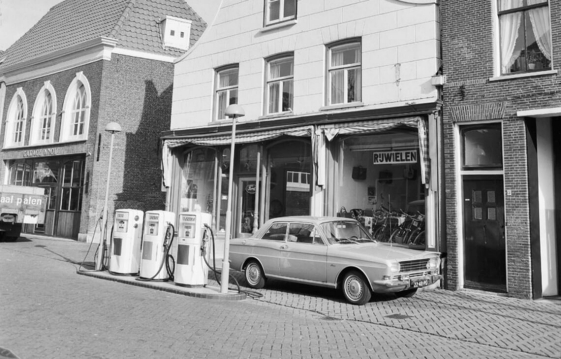
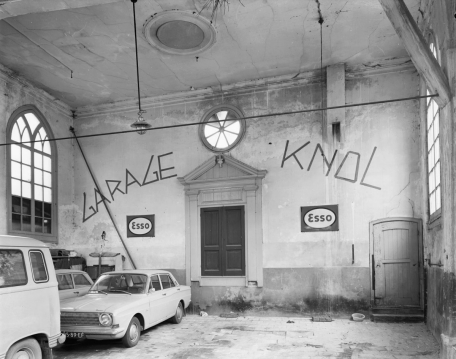
The Synagogue
The Jewish inhabitants of Weesp took their first synagogue into use in 1774. This was located on the Korte Middenstraat. This building served until 1840. The old synagogue was then in such a bad condition that a fundraiser was held and at the end of 1840 the new synagogue, on the corner of the Nieuwstraat and Hanensteeg, could be dedicated.
On 29 April 1942, all Jews from Weesp were arrested. Despite the fact that Weespers also participated in the February Strike, they could not prevent this.
In this building, after the second world war, a garage and an Employment Office were housed.
52°18’29.2″N 5°02’29.9″E

Facing brick with a sailboat
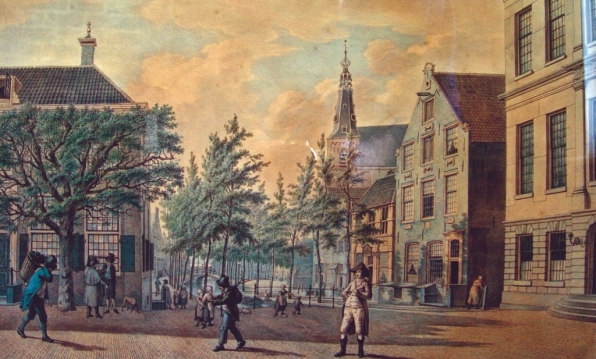
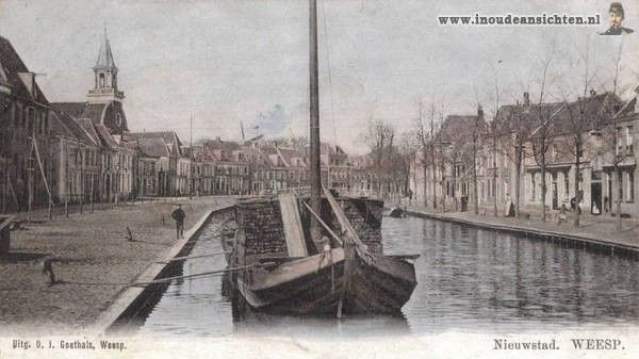
This stone shows that Nieuwstraat used to be a canal. To the right of this drawing below you can see the Town Hall of Weesp. If you follow the rows of trees in the middle you will see a canal and a bridge at the height of the Grote Kerk.
52°18’27.4″N 5°02’29.1″E
The old police office
This former police office was created in 1887 in neo-Renaissance style. And was initially used as a post office.
In 1910 the police station was established here.
52°18’25.9″N 5°02’30.4″E
Grote Kerk (St. Laurenskerk)
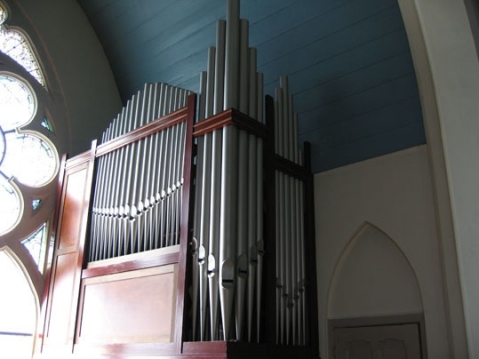
The Grote Kerk (St. Laurentskerk) from 1462 is located in the Nieuwstraat and one of the oldest buildings in the city. It towers high above Weesp. In the church is a Bätz organ from 1823. The quiet center in the church is open every day.
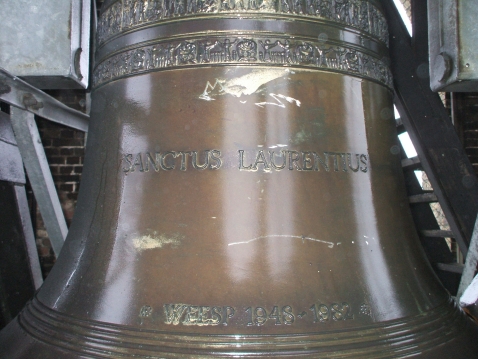
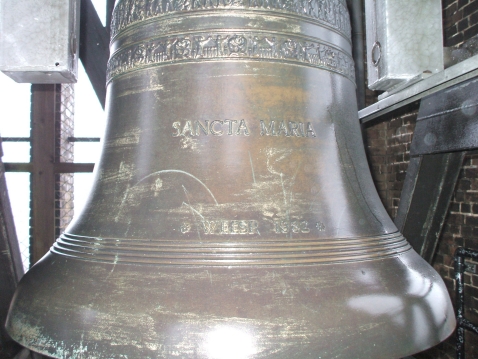
High out of the tower, the Hemony carillon from 1671 sounds every quarter of an hour.
On Tuesday morning during the weekly market, this is the permanent place of city carillonneur Bauke Reitsma. On the YouTube video he plays the Weesper hymn “Blauw wit blauw, ik hou van jou” (Blue white blue, I love you). Referring to the colors of the Weesper flag.
52°18’26.2″N 5°02’31.7″E
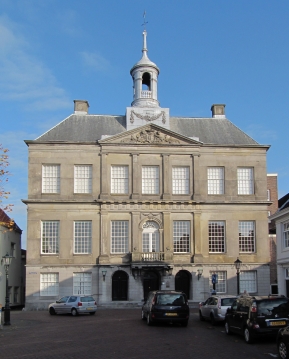
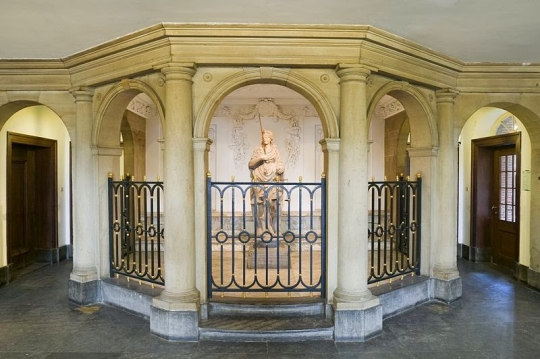
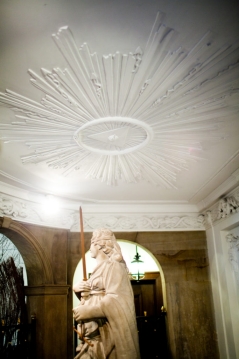
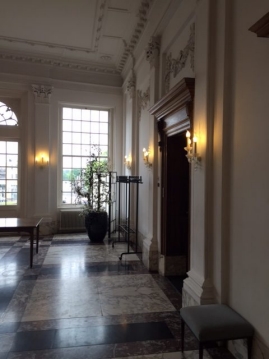

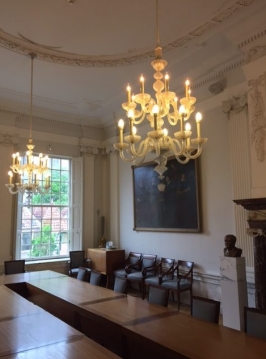
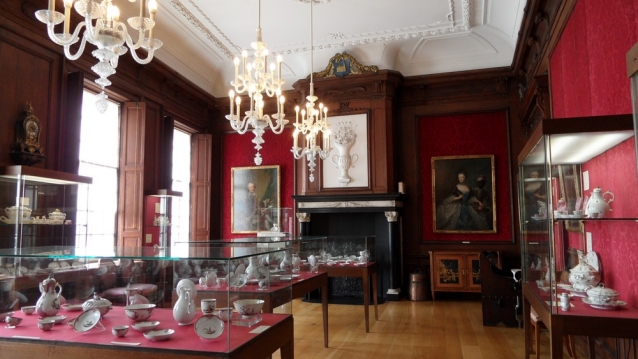
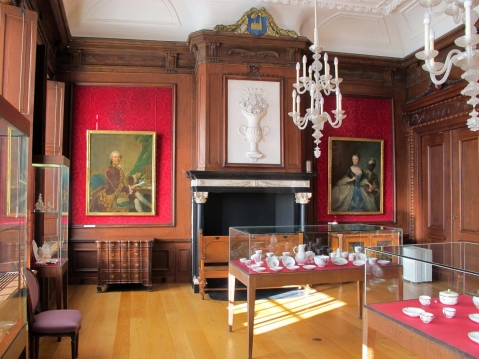
City Hall and Museum Weesp
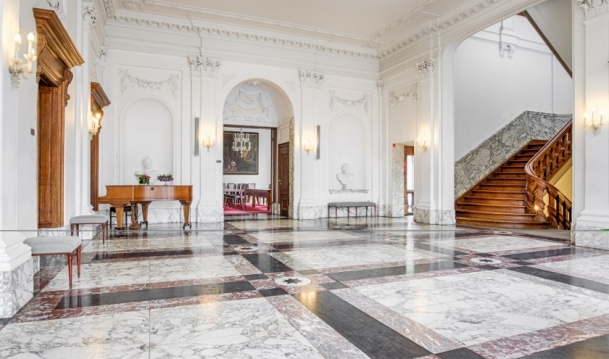
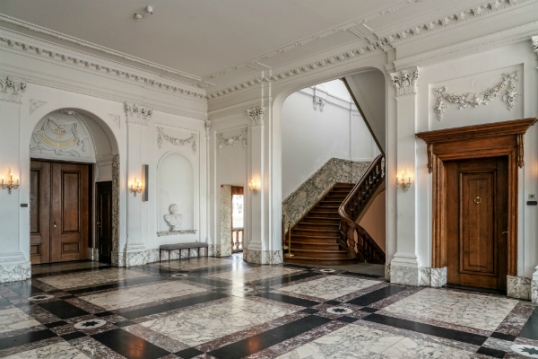
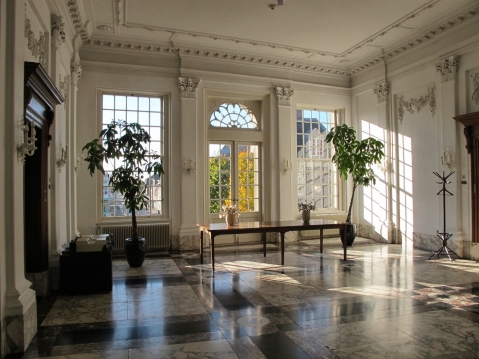
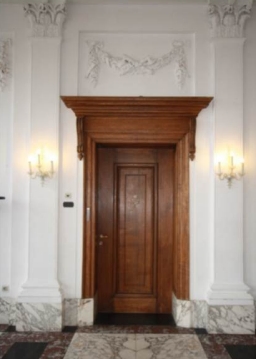
The town hall of Weesp was built in 1772-1776. The neoclassical building was designed by architect Jacob Otten Husly (1738-1796), who was very clearly inspired by the classicist City Hall of Amsterdam (1648-1664) by Jacob van Campen.
The town hall is a national monument and is on the list Top 100 of the Rijksdienst voor de Monumentenzorg (National Monument protection).
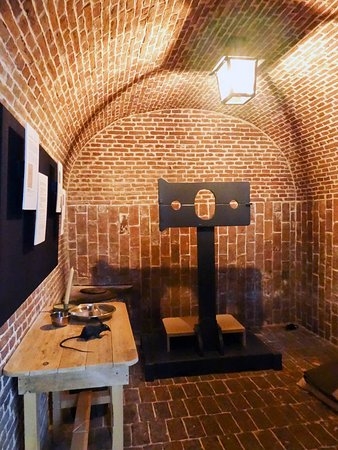
It served as a government building, but in addition, justice was also administered. The dungeons used for this are still visible today.
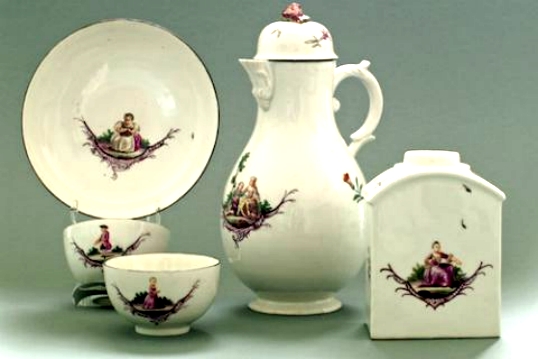
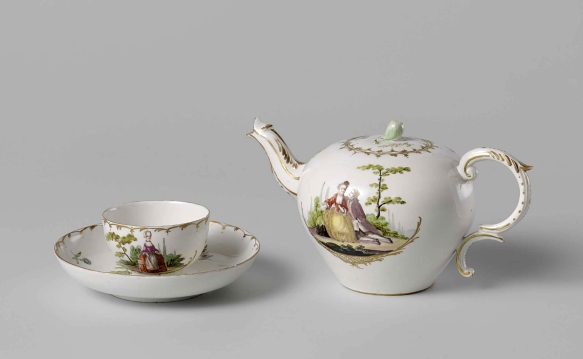
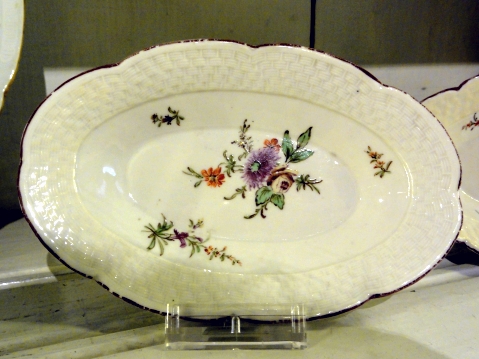
On the second floor of the building is now the Museum Weesp located. Were, among other things, the Weesper porcelain from the 18th century can be seen
52°18’24.5″N 5°02’34.1″E

The st. Bartholomeus guesthouse
The St Bartholomew’s hospital began in the 14th century (ca 1350 as founded.
Originally, the guesthouse also offered shelter to migrating foreigners and also functioned as a poor house.
From about 1643 it was a retirement home.
In 1790 the guesthouse went together with the poor orphanage and around 1816 the citizen orphanage was incorporated into the guesthouse.
From 1839 onwards, the Catholic elderly and orphans were housed elsewhere.
The Hoek Schoolsteeg-Middenstraat of this complex functioned from the beginning of the 19th century as a municipal school for the poor.
The original entrance was at the Gasthuissteeg.
Above the entrance at the Schoolsteeg is a facing brick with a double-headed eagle that refers to the time when Weesp was still part of the great Roman Empire from Keizer Karel de V
This entrance door dates from 1623.
On the corner of Gasthuisstraat and Middenstraat was the dining room. The Zuidvleugel (Schoolsteeg) is from 1650. The Oostvleugel (Middenstraat) was renovated in 1822. On the ground floor women’s dormitory. On 1st floor men’s dormitory. The corner Schoolsteeg-Nieuwstraat originally housed the bakery
52°18’24.0″N 5°02’35.1″E
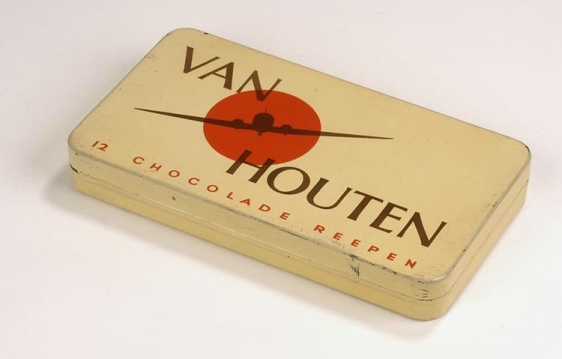
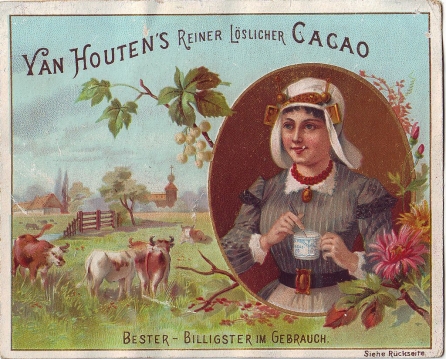
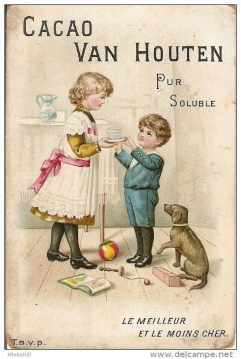
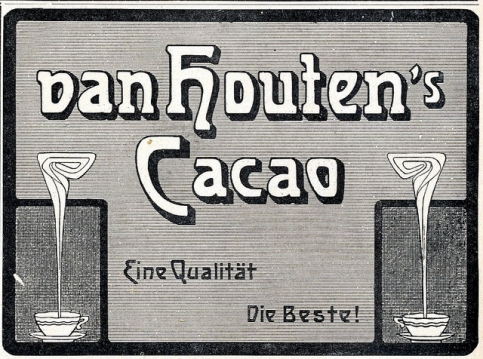
The old van Houten factory and site
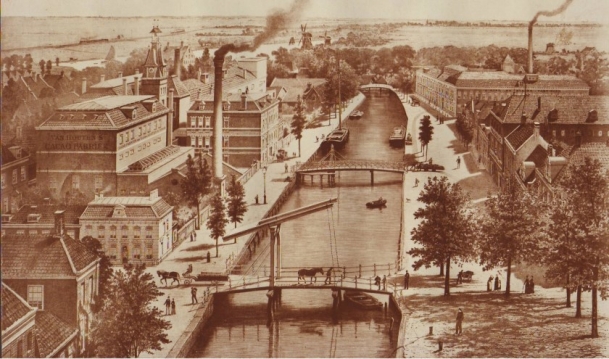
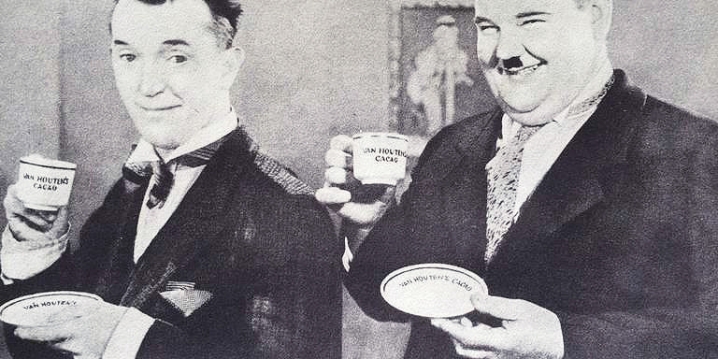
CJ van Houten, the inventor of cocoa powder, started his first chocolate factory in 1850 in the empty factory De Adelaar in Weesp. That was the start of a company that would achieve world fame.
Thanks to van Houten, chocolate drink became a popular drink. All over the world people wanted to mix it with milk or water. The cocoa butter that the company manufactured was also very profitable.
As a result, the space here became too small. Van Houten expanded enormously in the field that we now know as Abbot.
And due to the large employment, the population of Weesp increased considerably and new residential areas were built in the polders around the old town.
Van houten was at that time the largest employer in Weesp.
On this spot a factory was built, several offices but also a school.
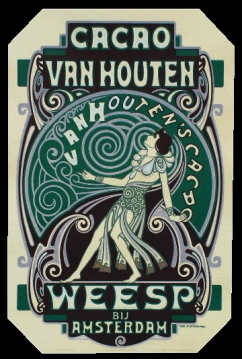
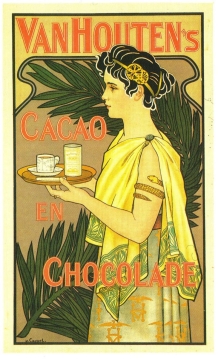
The well-known sketch from 1920 by Thom Posthuma was not put into production at the time. It is suspected that the image was too reminiscent of Mata Hari.
The socially feeling manufacturer D.J. van Houten from Weesp and nephew of the founder of the well-known cocoa company Van Houten. Around 1913 he was one of the richest inhabitants of the town on the Vecht. He served twelve years in the Senate for the Liberals. As an entrepreneur he was a strong supporter of the Labour Act 1919 of Minister Aalberse and as a resident of Weesp he was committed to the fores and woe of his fellow citizens.
In 1962 Van Houten was sold to the American company W.R. Grace & Company
52°18’24.0″N 5°02’35.1″E

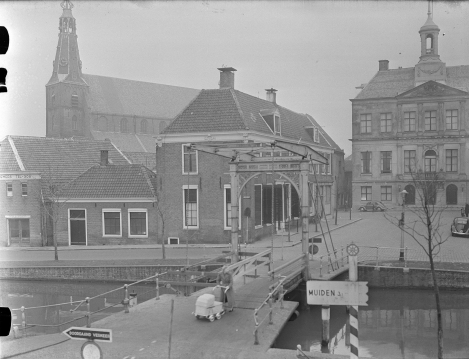
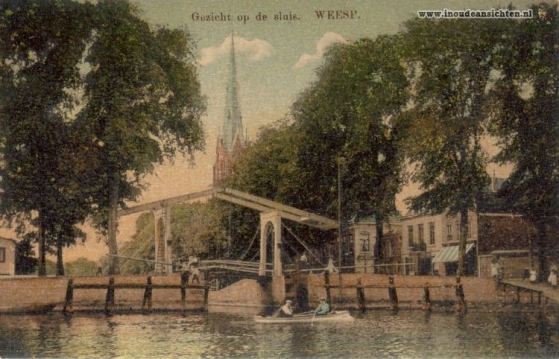
The old Pleinbridge
The Pleinbridge, which has often changed shape over the centuries, connects the Grote plein with the Breestraat. The first bridge will probably be from 1550.
52°18’23.1″N 5°02’31.2″E
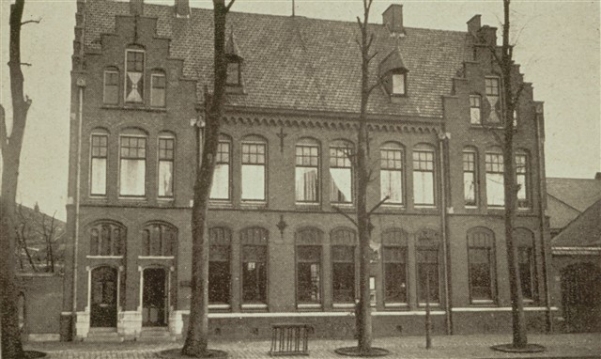
The old post office
Around 1910 this building was taken into use as the larger post office after it had left the Nieuwstraat.
52°18’22.5″N 5°02’33.6″E
The van Houtenchurch
The van Houtenchurch, also called the ‘chocolate church’, was commissioned by the Van Houten sisters, descendants of the famous chocolate family built. This 1906 building is a fantastic
example of Rationalist style and Jugendstil. The interior also has characteristics of Berlage’s New Art with Jugendstil elements. The beautiful crowns and wall fixtures, and the many templates on the walls and ceilings, stand out. The organ dates from 1907.
52°18’21.7″N 5°02’36.5″E

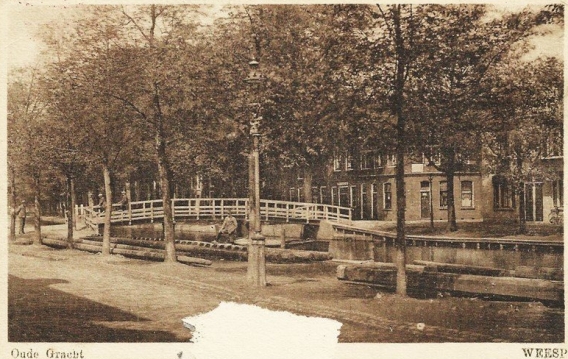
Het Kippenbruggetje (The Chickensbridge)
Het Kippenbruggetje is the smallest bridge in Weesp.
52°18’19.4″N 5°02’39.3″E
Gate ‘De Utrechtse Poort’ & De Klompbrug (Klomp bridge)
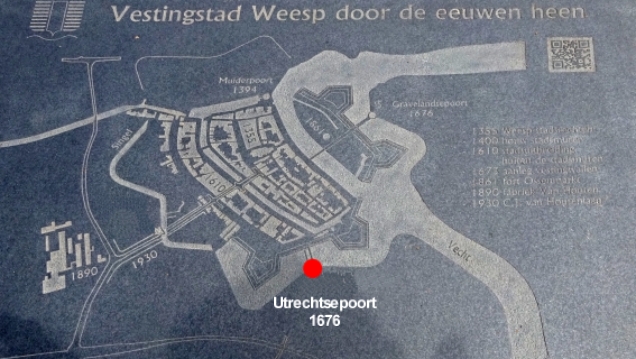
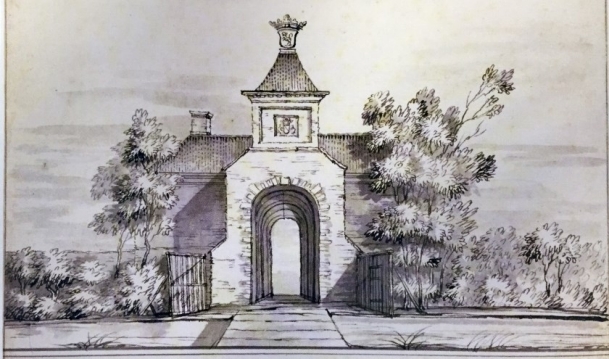
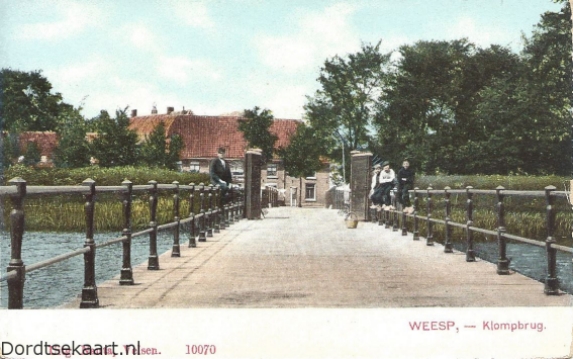
‘De Utrechtse poort was one of the city gates of Weesp on, as the name suggests, the road from Utrecht. The gate was built between 1674 and 1676 and demolished again in the mid-nineteenth century’: according to the Weesper Nieuws.
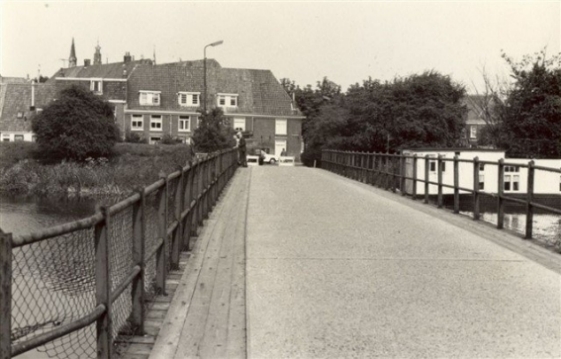
In the creation of the Draaier and Roozenboom Bastion, this spur of the fight was also involved. Over this spur came the Klompbrug. With the Klompstraat over it.
52°18’15.6″N 5°02’41.7″E
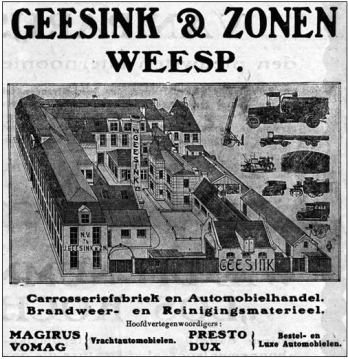
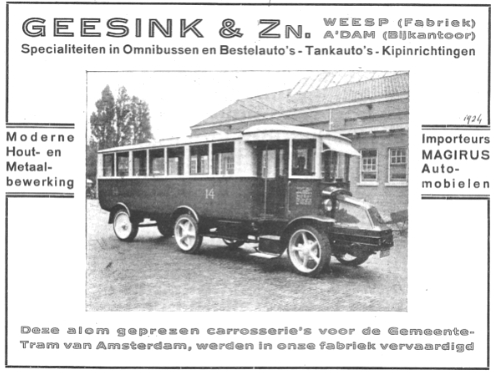

J. Geesink & Zonen
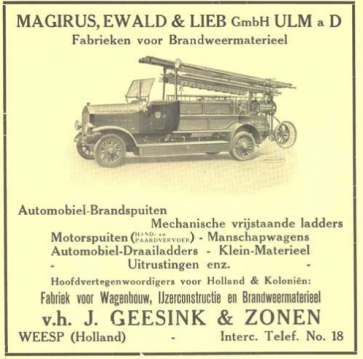
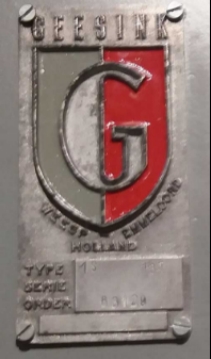
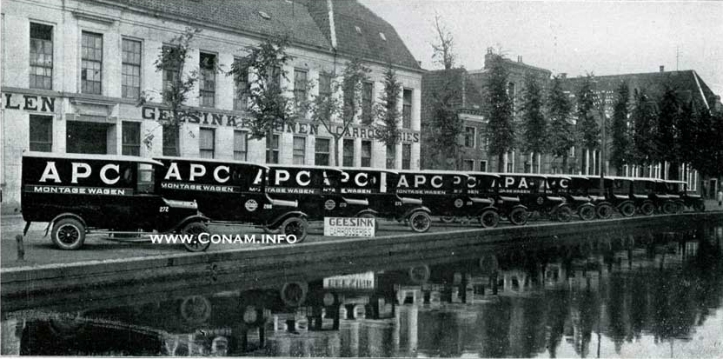
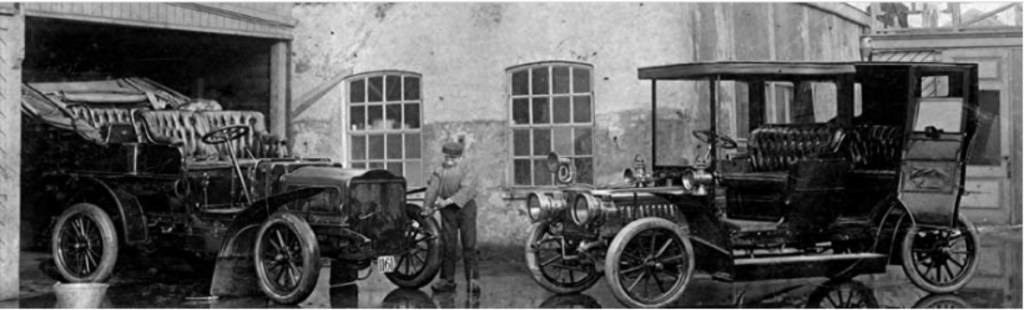
Founder of the “Rijtuigenfabriek en wagenmakerij J. Geesink” in Weesp was in 1875 Jacobus Geesink jr.
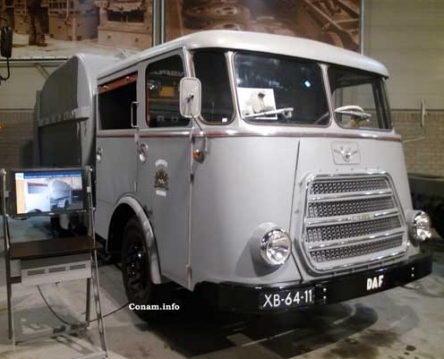
The company Geesink manufactured in the beginning mainly wooden carriages but due to the emerging motorization they started to focus more and more on, among other things, firefighting equipment. Not entirely surprising because You. Geesink in its spare time also General fire master was
When J. Geesink died in 1919, the company had a leading name even beyond the borders, the company m.b.t. firefighting equipment even beyond the borders. His two sons continue the business and are also beginning to take an interest in cleaning equipment. They also know how to attract the importer ship of Magirus trucks to themselves.
The toll of many growth surges in the mid-twenties is coming pretty hard when the world crisis breaks out. During a meeting of shareholders in 1931 it was decided that Geesink would only be involved in the manufacture of front gardens for fire and dirt control. This approach is quickly bearing fruit and soon they will once again be a modern and leading company in both areas. source: conam.info
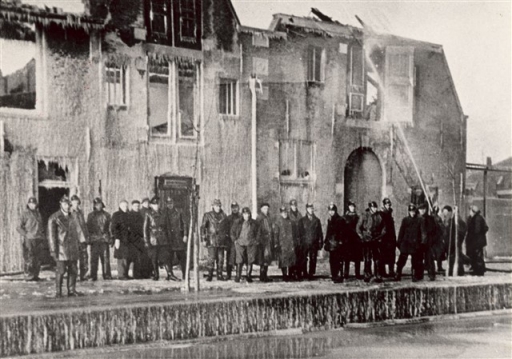
On April 3, 1968, a fire breaks out in the factory building of the Geesink company.
due to flying particles around, a fire also breaks out at thirteen places in Weesp.
The Reformed Church and the Municipal Archives also went up in flames as a result.
52°18’19.2″N 5°02’36.6″E
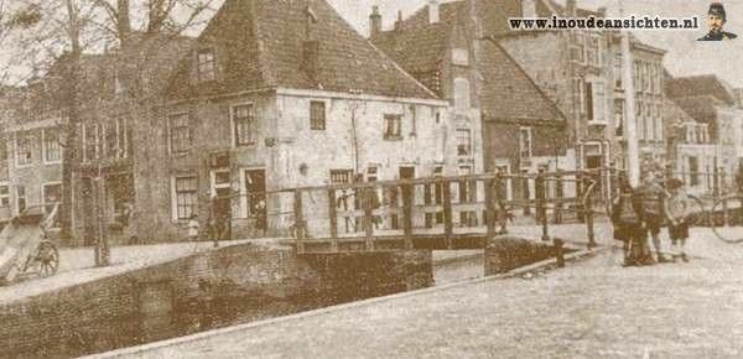
De Breedstraatbrug
This was the bridge over the Achtergracht from the Groeneweg to the Breedstraat.
After the filling up of the Achtergracht, this bridge also disappeared from the Weesper street scene in 1964
52°18’21.4″N 5°02’27.5″E
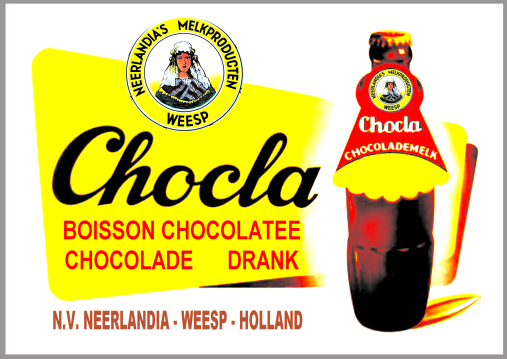
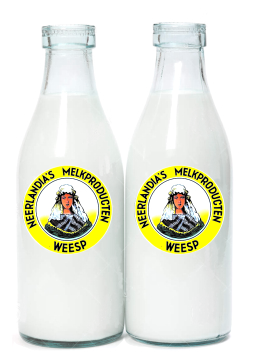
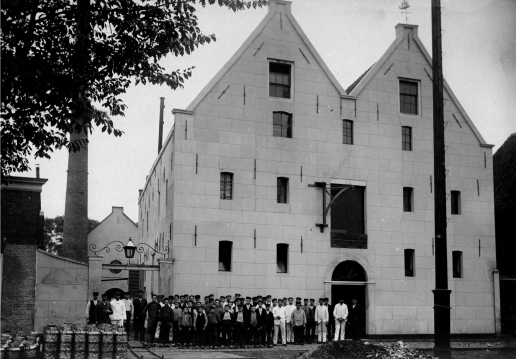
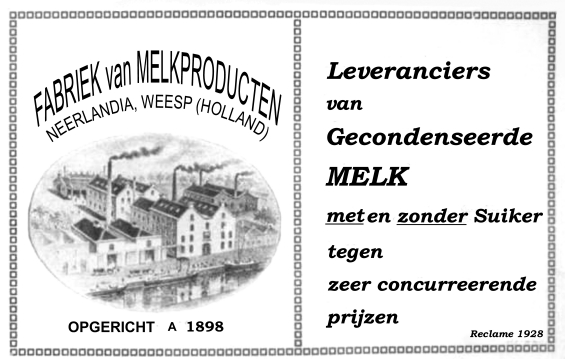
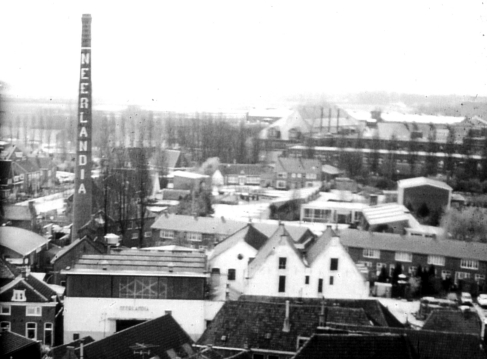
Milk factory Neerlandia
From 1898 to 1971 the Milk factory Neerlandia could be found on this spot.
A factory that, in addition to the usual milk products such as butter and cheese, probably also supplied milk for the van Houten Chocolate.
The building has even more history because before Neerlandia came into the building, the Anker Jenever distillery was located here.
52°18’22.2″N 5°02’24.8″E
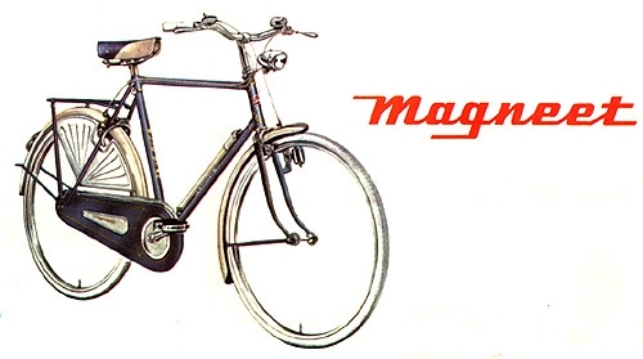
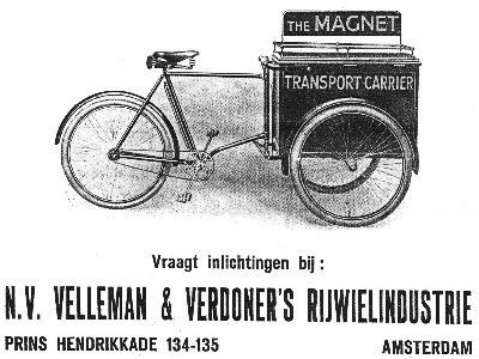
Magneet factory
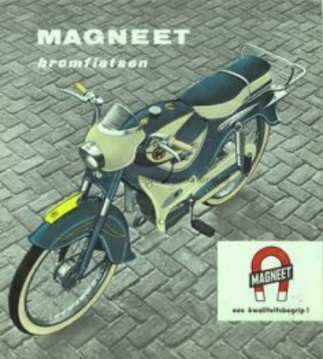
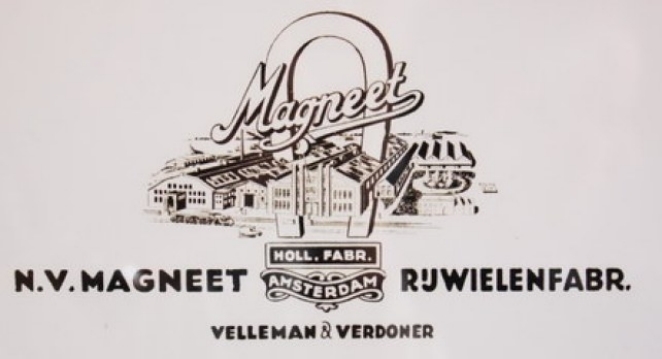
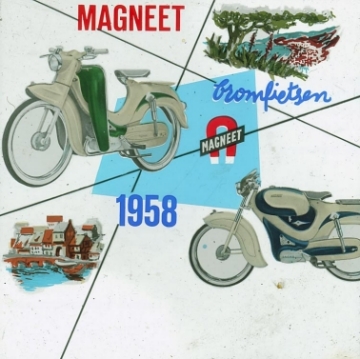
Magnet (Rijwielen- en Motorenfabriek N.V.) is a historic Dutch brand of mopeds and bicycles.
In 1909 Leman Velleman and Abraham Verdoner started selling bicycles under their own brand The Magnet on the Prins Hendrikkade in Amsterdam. This was converted to the name Magnet in 1922. In 1928 the production moved to an empty tinplate factory on the Van Houtenlaan/Groenesingel in Weesp.
During the German occupation of the Netherlands, the company ran into problems. There was a scarcity of parts. Partner Gerrit Verdoner was Jewish and had to go into hiding. In 1942 the activities were stopped, after which the business premises were evacuated for a temporary Fokker aircraft factory, where training aircraft for the German army would be produced.
In 1945 the production of bicycles was restarted, now at the Achtergracht 66/68.
After a fire in 1948, the production moved again, this time to Villa Casparus on the Korte Stammerdijk.
In 1969, the production of bicycles was taken over by Batavus, while Magnet continued to exist as a trading company until 1976.
52°18’24.2″N 5°02’22.7″E

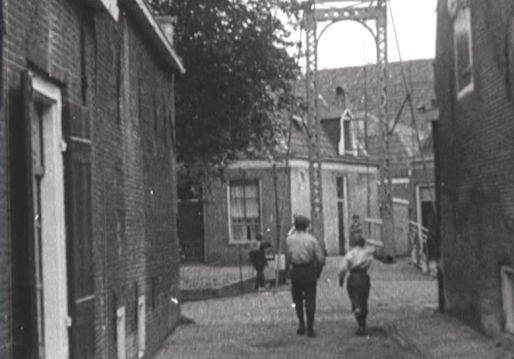
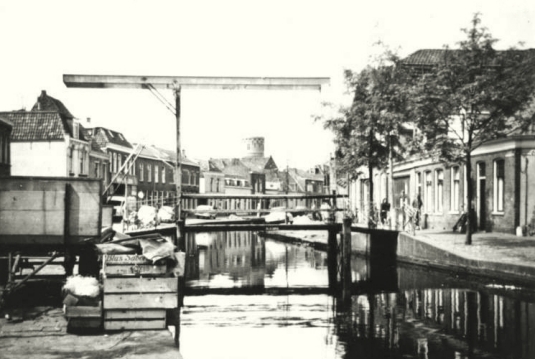
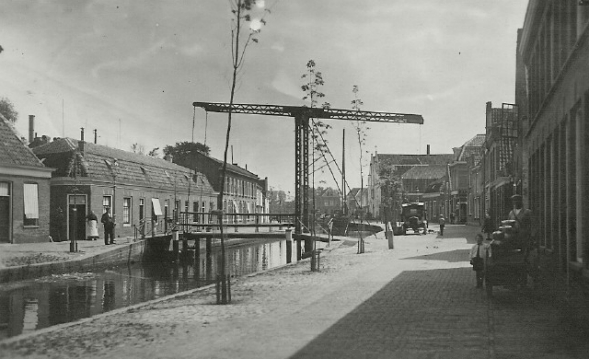
Osjesbrug
After the construction of Smal Weesp, digging the Achtergracht was also started in 1625, which was to become part of a defense system.
This former bridge over the Achtergracht is of course from much later. This bridge also disappeared in 1964 from the Weesper street scene
52°18’25.7″N 5°02’42.1″E
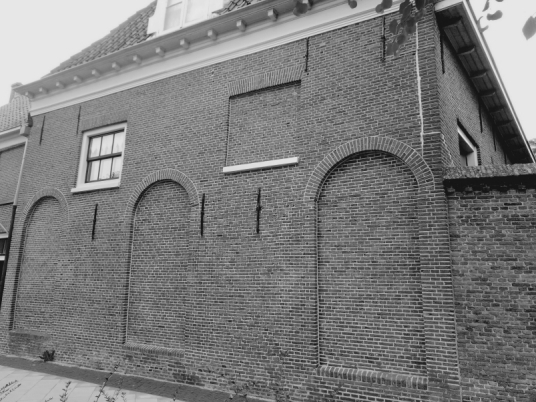
Rooms katholieke schuilkerk
After the Reformation in 1517, the Catholics were expelled from the Great Church. For a long time, it was forbidden to openly policy the Roman Catholic faith.
Long the Catholic was not allowed to become open policy but it was allowed behind closed doors. This happened secretly for a long time in hidden churches.
Behind this wall with blind arched windows, an existing house for the Roman Catholic church service was furnished in 1687 and in 1758 expanded with a neighboring house (sacristy).
After the sale (1793) to a literary society, the building came into the possession of the municipality in 1893 as a room ‘Unity’.
At the moment, the sacristy is used by billiards association Rapiditas.
52°18’27.4″N 5°02’20.6″E
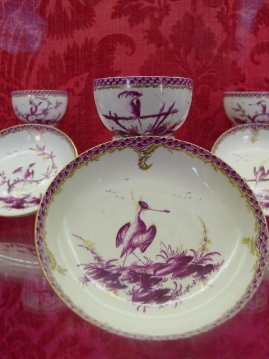
Weesper porcelain
The first Dutch porcelain was made in Weesp from 1759, in the Kromme Elleboogsteeg. The factory had already been founded by merchants in 1757, but went bankrupt not long after and it is unknown whether porcelain was actually made in that first year.
The household effects were sold to the reverend Joannes de Mol, who moved the production to Loosdrecht. When that factory was also closed down, porcelain was made for some time in Ouder-Amstel and later in Nieuwer-Amstel. Eventually, the production of Dutch porcelain was definitively discontinued in 1814. The porcelain is to be seen in the Weesper Museum.
Also look up for the facing brick
52°18’25.9″N 5°02’22.9″E


Maarten Lutherkerk
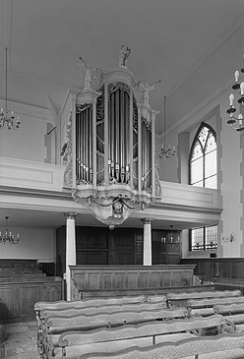
Since 1657, the Lutheran church in Weesp had a church building that was replaced in 1818 by the current hall church. Since 1974, the Martin Luther church has been protected as a national monument.
In 2006, the Lutheran congregation of Weesp left the building, in connection with the (local) merger with other groups within the Protestant Church in the Netherlands.
There is an organ by the Amsterdam organ builder J.S. Strümphler (1736-1807), from Germany, which was consecrated on August 27, 1769. It was installed in 1818 by Strümphler’s former master servant P.J. Teves in the new church
52°18’25.5″N 5°02’25.2″E
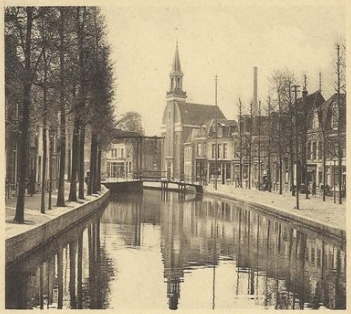
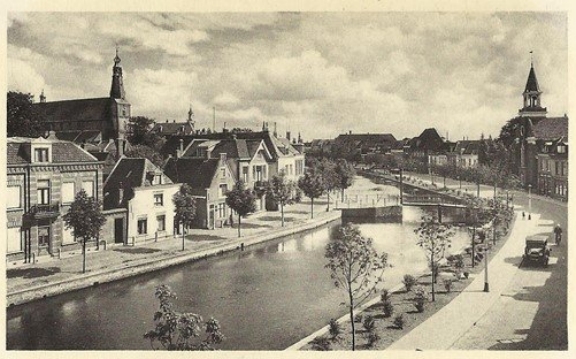
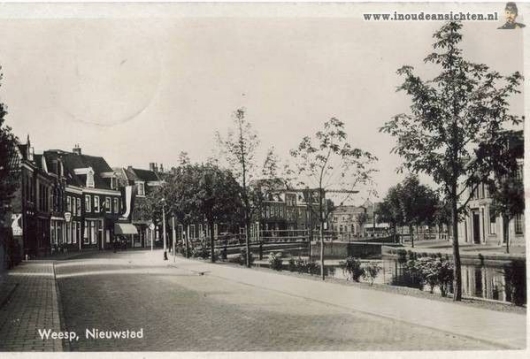
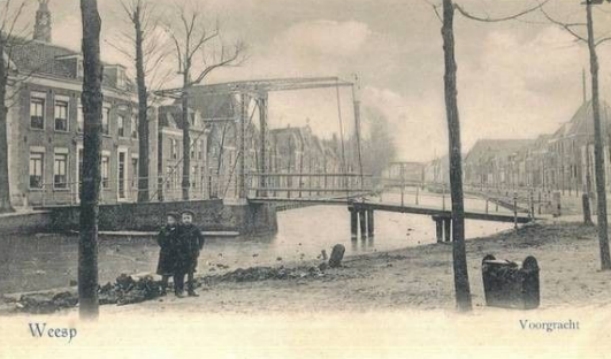
De Groene brug (The Green Bridge)
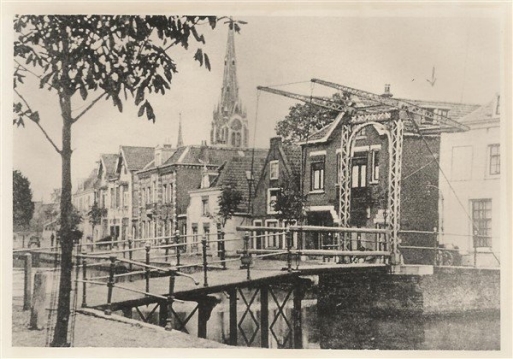
The Green Bridge is probably as old as the Oude Gracht. This was probably dug around 1550
52°18’26.9″N 5°02’25.0″E
End of this tour.
Time for a terrace or eat in one of the restaurants of Weesp
Thanks for doing this tour
Sources, photos and quotes: Google maps, hkweesp.nl, Wikipedia, Weesper Nieuws, Nederlands Instituut voor Beeld en Geluid, museumweesp.nl, WSPRMP, Je Bent Een Weesper Als, holyhome.nl, Arthur Philipsen, NH Nieuws, Weesp Fotostudio l&p, AW&B, tgooi.info, Geheimen van de steeg, amsterdam.kunstwacht.nl, peterpetersen.nl, KunstNetTV, funda.nl, kow.nl, Mozeyoume, Magneetbromfietsen.nl, Weesper Cultuurreis, vestingweesp.nl, kenniscentrumwaterlinies.nl, weesp.serc.nl, theetuin.nl, welkominweesp.nl, Cuypersgenootschap.nl, RCE, OF-08341, gooieneemlander.nl, orgelsite.nl, reliwiki.nl, rijwiel.net, resolver.kb.nl, dordtsekaart.nl, resolver.kb.nl, jck.nl, Hans Otten, i.pinimg.com, conam.info, ensie.nl, YouTube Jonathan Sas. If this list is not complete, please let us know at wsprmp@outlook.com
 Be your own guide
