
Duration of the tour: 1.5 hours Route length: 2 miles
Lewes was the site of the first European settlement in Delaware, a whaling and trading post that Dutch settlers founded on June 3, 1631, and named Zwaanendael (Swan Valley). The colony only existed for a short time, because in 1632 a local tribe of Lenape Indians killed all 32 settlers.
The area remained rather neglected by the Dutch. But due to the threat of annexation by the colony of Maryland, the city of Amsterdam decided in 1662 to donate a piece of land near the Hoernkills (the area around Cape Henlopen, near the present-day town of Lewes) to a group of Mennonites for a settlement. A total of 35 men would be taken into the settlement, led by a Pieter Cornelisz Plockhoy van Zierikzee and financed by a substantial loan from the city to settle them. 41 persons came with Plockhoy from the Netherlands to the Hoernkill aboard the Dutch ship the Sint Jacob, one of them was Otto Wolgast from the town of Wolgast in Pomerania. The settlement was founded in 1663 and continued to exist until the following year; in 1664, the English captured New Netherland from the Dutch, and they ordered the settlement to be destroyed with reports indicating that “not even a nail” had been left behind.
The Dutch settlers were slow to regroup, but a new settlement gradually arose around the Hoernkills. In late December 1673, when the area was briefly back in Dutch hands, the settlement was again attacked and set on fire by a group of settlers from Maryland. In 1680, the village (and county) was reorganized under the authority of the Duke of York, who had been given this authority by his brother, King Charles II, and was known as New Deale, Deale County, Delaware for two years. Permission was then given for the construction of a log cabin courthouse. In 1681 an Anglican congregation was founded and in 1682 a Presbyterian church.
In 1682, the colonies of Delaware were gifted to William Penn by King Charles II as payment for a family debt. When Penn arrived in the New World later that year, he renamed the county to Sussex and the settlement of Hoernkills to Lewes, in memory of the county and the city in England. Lewes became and remained the capital of Sussex County until 1791, when it was moved to a more central-western location, the present-day city of Georgetown. The town was also known as “Lewistown” or “Lewestown”.
On 6 and 7 April 1813, during the War of 1812, ships of the Royal Navy, commanded by HMS Poictiers commanded by Captain Sir John Beresford, briefly and ineffectively bombarded the town. A cannonball from the bombing is located in the foundation of Cannonball House, which now serves as the city’s maritime museum.
Lewes was incorporated into the municipality on February 2, 1818, by an act of the state assembly. The law provided for the appointment of five persons as commissioners, who would be known as ‘trustees of the Town of Lewes’.
In 1941, the United States built Fort Miles on Cape Henlopen, immediately east of Lewes, to defend Delaware Bay and the Delaware River, the oil refineries and factories on its banks, and the city of Philadelphia.
Fort Miles has never seen any major action; apart from target practice, only one shooting was fired between the establishment and the end of the Second World War. Fort Miles was completely ceased and destined in 1991 and turned over to the state of Delaware.
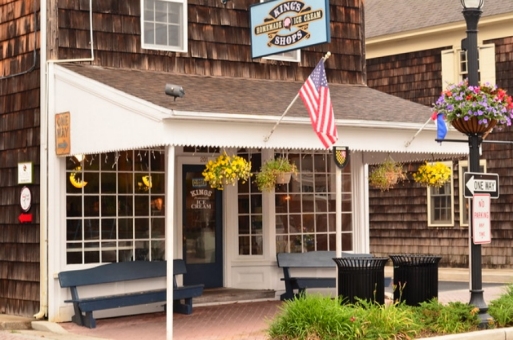
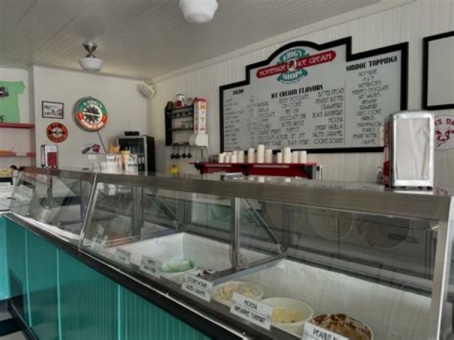
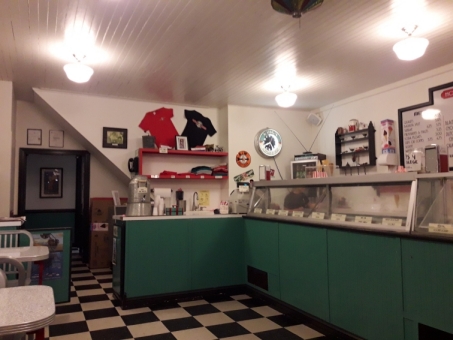
King’s Homemade Ice Cream Shop
This establishment of King’s Homemada Ice Cream is the starting point of this tour.
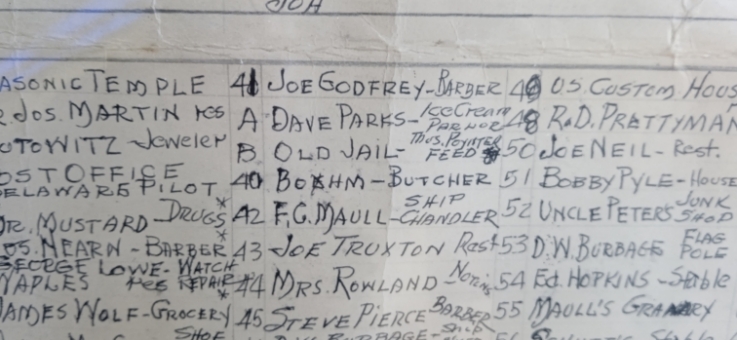
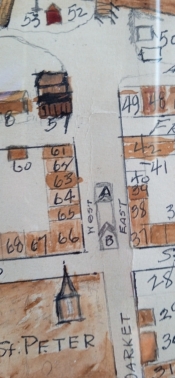
As can be seen on an old flat ground in the Cannonball museum, around 1890 this building housed the prison of Lewes.
In 1972, King’s Homemade Ice Cream Shops first opened its doors in Milton Delaware.
The second branch opened in 1981 in the historic port city of Lewes, Delaware. King’s Homemada Ice Cream is still here with their award-winning ice cream, frozen yogurt and popsicles.
38°46’32.2″N 75°08’24.9″W
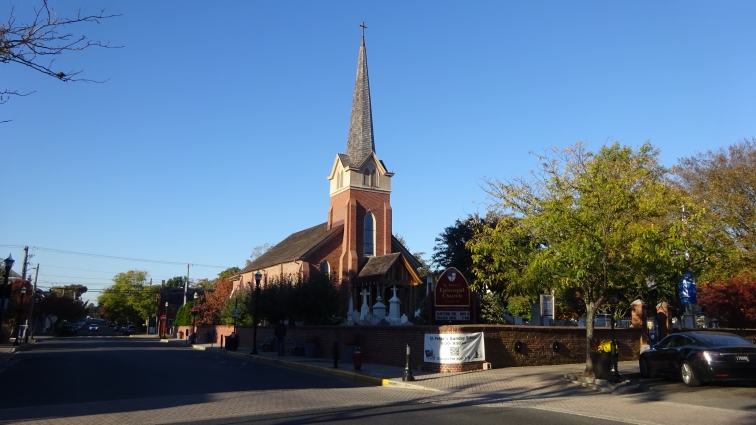
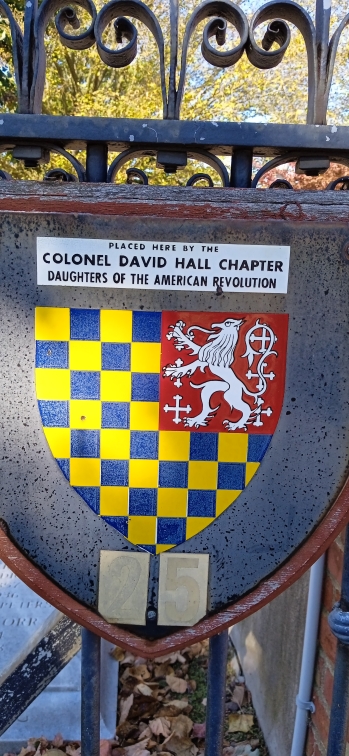
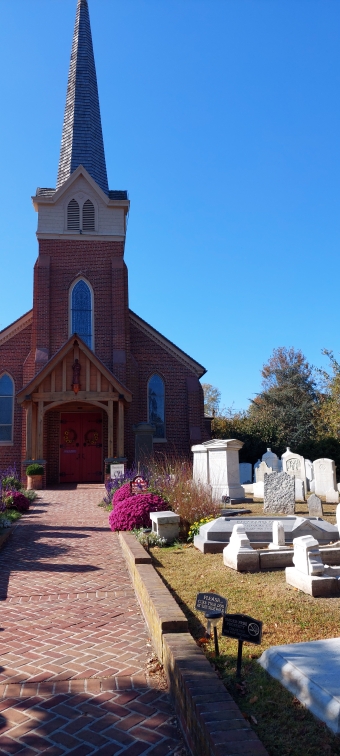
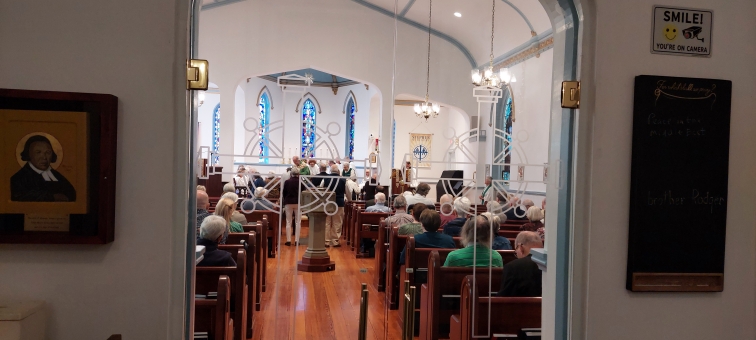
St. Peter’s Episcopal Church
It is not known exactly when the first church was built, but there was already a church here around 1722. In 1808 a new church was built. In 1848 it was decided to replace this building as well. In 1853, the old church was moved to the southwest corner of the cemetery on Third Street. The tower was added in 1870 and in 1903 a sacristy was added at the back of the church.
38°46’32.2″N 75°08’25.3″W
Mary Vessels Park
An attractive little oasis in this historic city. The park is named after Mrs. Mary Vessels, First Chair of the Lewes Parks and Recreation Committee, in honor of her dedicated commitment to the Lewes parks.
Would you like to use it? There is also a public toilet.
38°46’33.8″N 75°08’24.2″W
Memorial Park
This park commemorates a British attack on the city in 1812, which caused a lot of damage due to cannon fire in the city. It is a well-preserved park with beautiful flowers, paths, benches decorated with a series of cannons and a wealth of 19th century history .
38°46’33.0″N 75°08’20.1″W
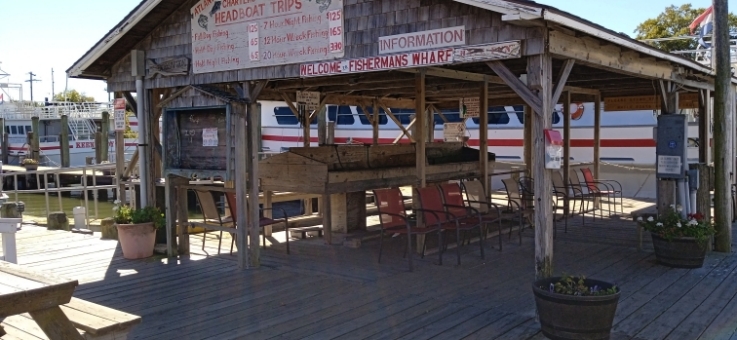
Fishing harbor
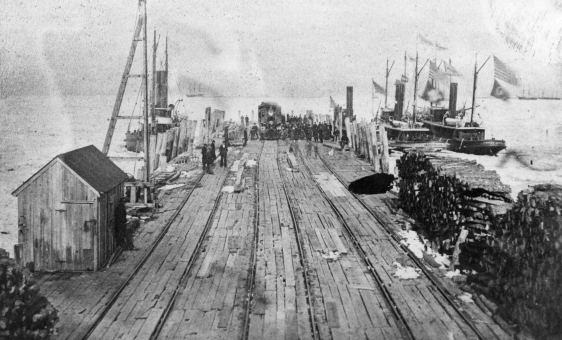
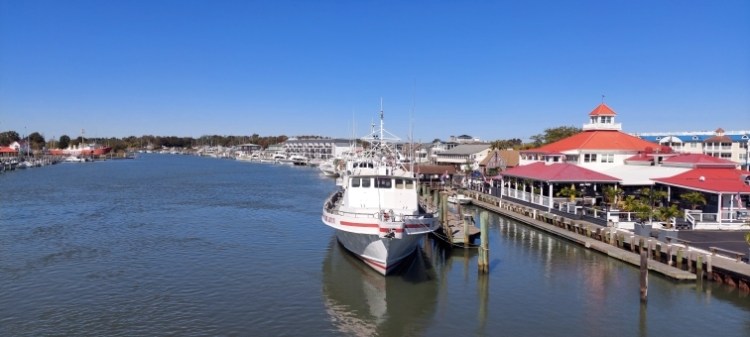
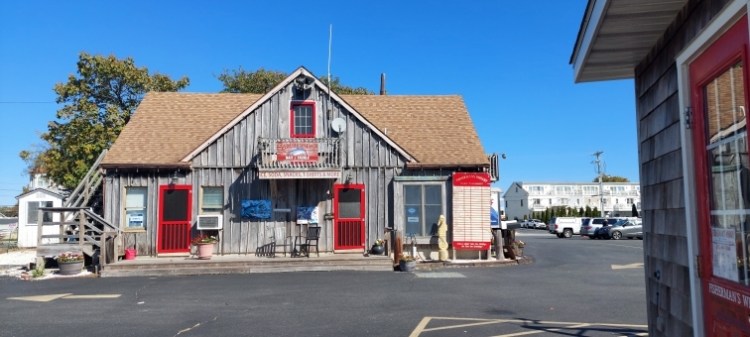
Home to pilots on the Delaware River and Bay for generations, Lewes was once the largest fishing port in the United States. Boats were built and launched on the site of today’s Canalfront Park for more than 250 years.It is crowded with fishermen, boaters, and tourists who want to explore the scenic waters of Delaware Bay and the nearby Atlantic Ocean.From here you can also sail up the Broadkill River to Milton. Where the other branch of King’s Homemada Ice Cream can be found.
While walking along the boardwalk you will come across many fish eateries.
38°46’36.2″N 75°08’16.5″W
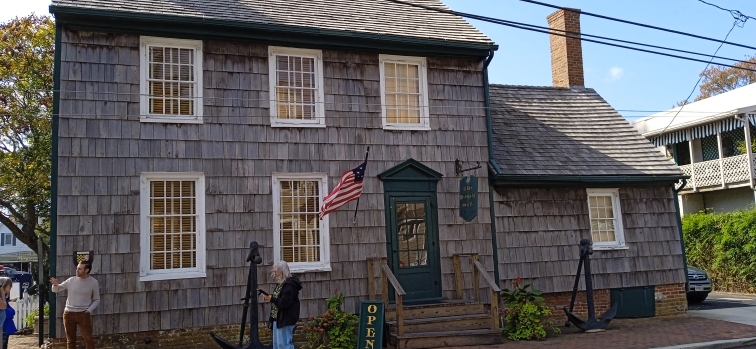
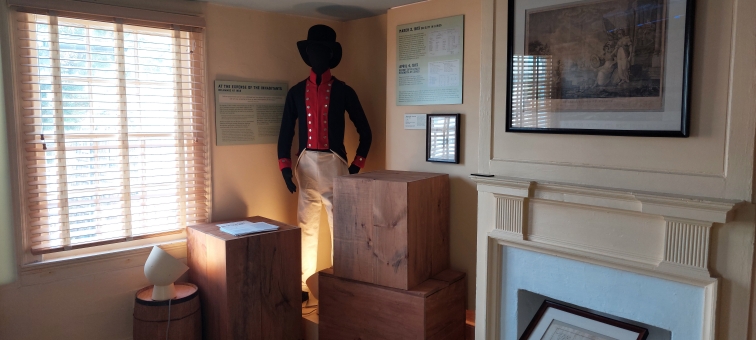
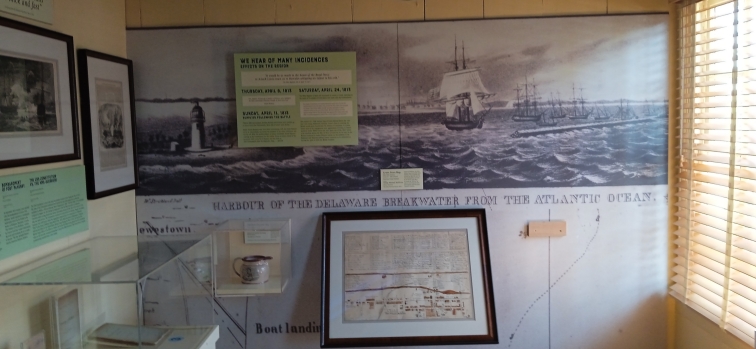
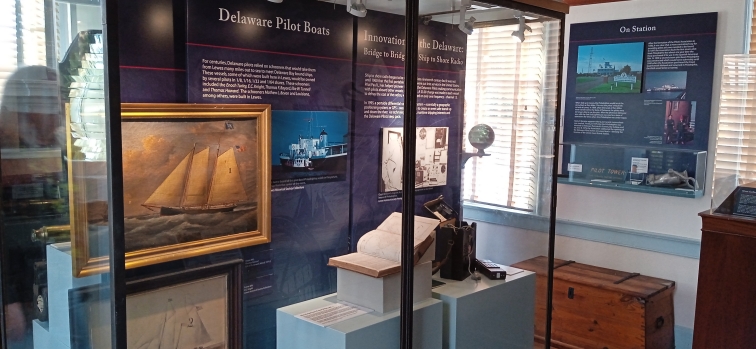
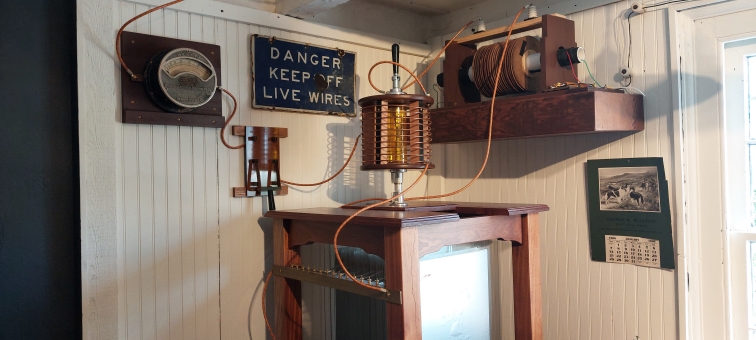
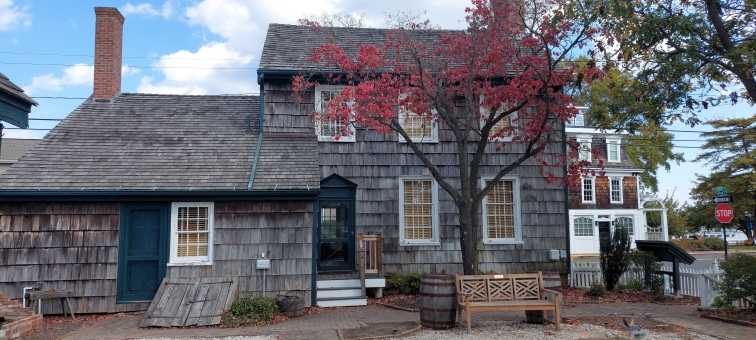
Cannonball museum
This building, known today as the Cannonball House, still bears visible traces of the battle, including an iron cannonball that sits in the foundation. Built around 1760 and expanded in the 1790s, the house was the residence of the McCracken family at the time.The Cannonball House is home to the Lewes Historical Society’s Maritime Museum.While The Lewes Historical Society Main Campus sheds light on colonial or domestic life more broadly, the Cannonball House focuses on the whalers, shipbuilders, pilots, and rescuers who shaped Lewes’ future.
The name dissected this museum from a cannonball, fired from a ship off the coast, that slung into the house, and drilled deep into the stone foundation, leaving the building with the name it still bears today. In fact, that persistent scar is still visible: a small, rough piece of stone that reminds Delaware how close war once was.
38°46’33.5″N 75°08’21.8″W
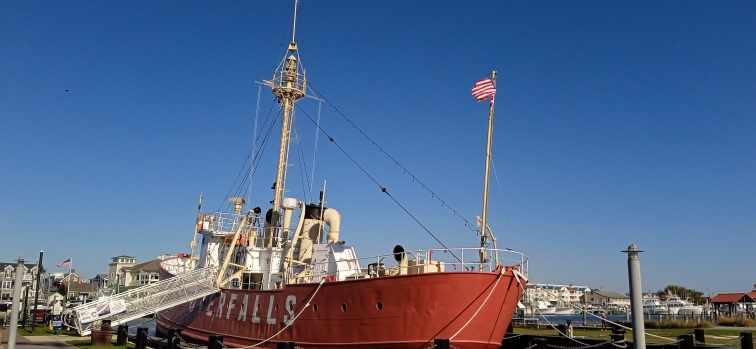
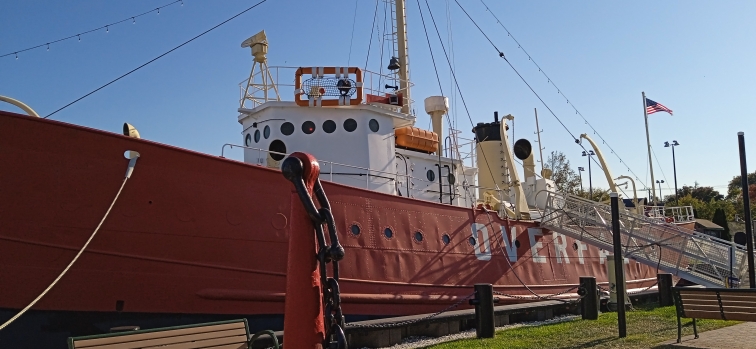
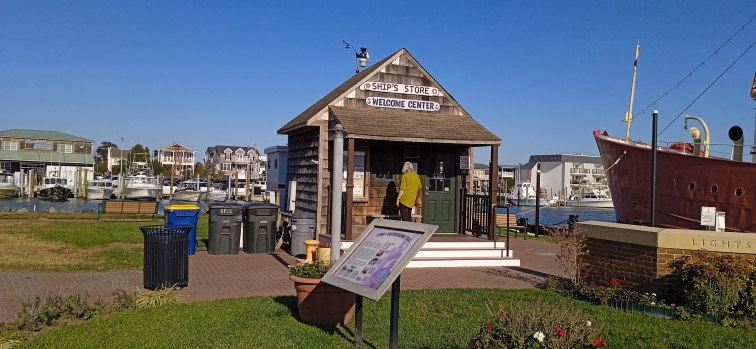
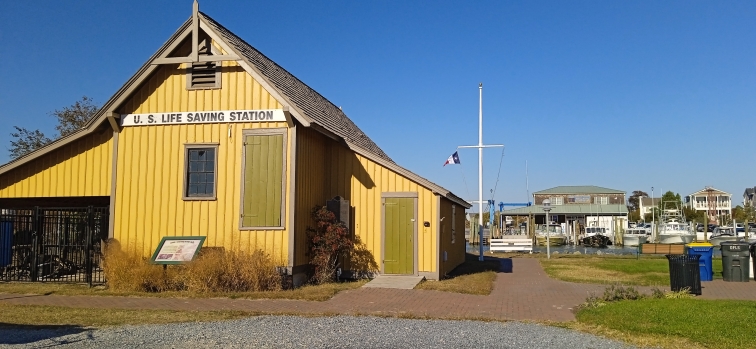
Lightship Overfalls
Built in 1938 for the U.S. Lighthouse Service, the LV-118 was decommissioned by the U.S. Coast Guard in 1972 and has been in Lewes, Delaware, since 1973. LV-118, renamed Overfalls, in honor of the nearby lightship station Overfalls Shoals and the American lightship sailors who served there. The maintenance and operation is done by a team of dedicated volunteers.
38°46’40.9″N 75°08’29.2″W
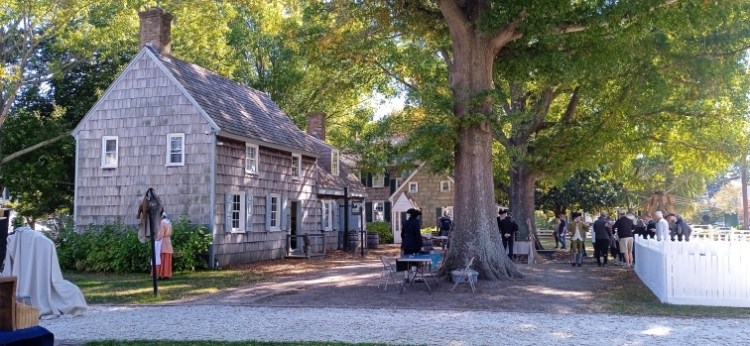


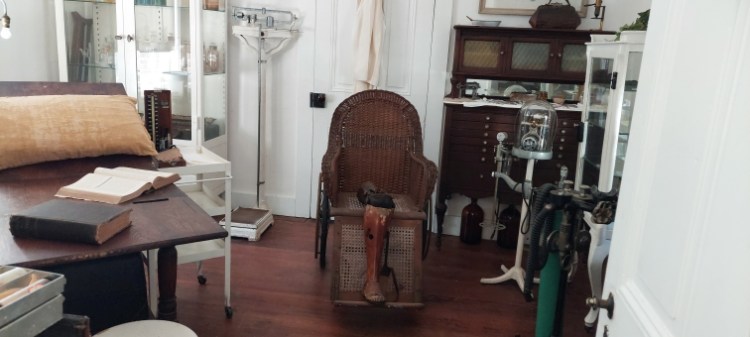
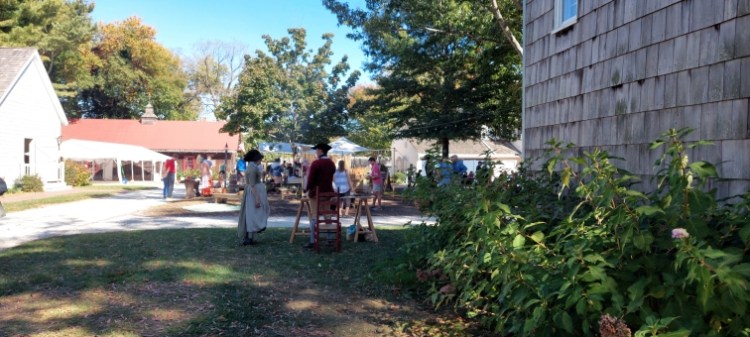
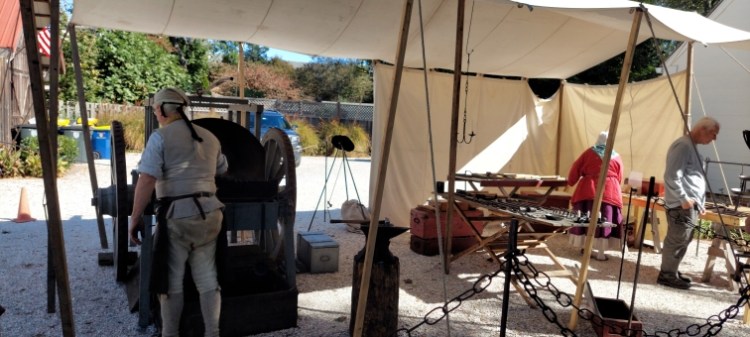
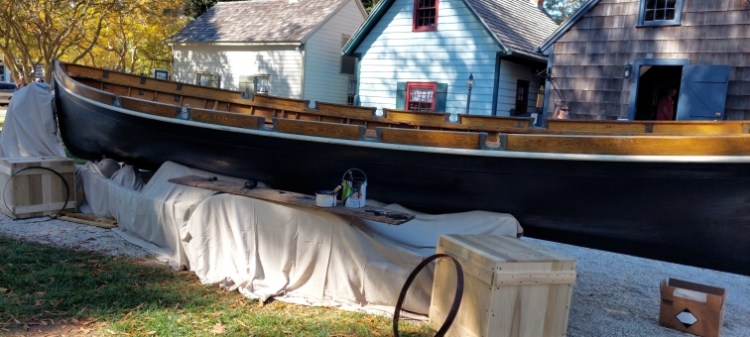
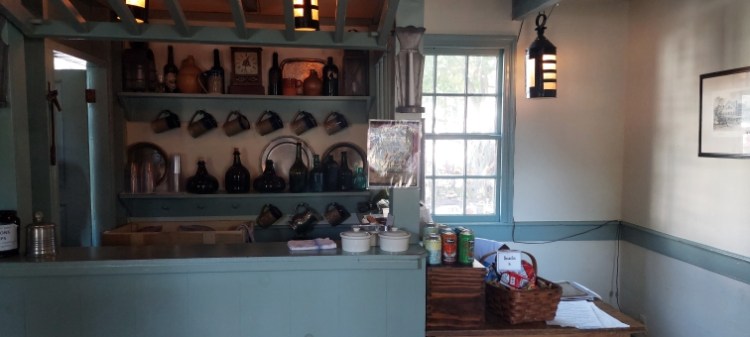
The Lewes Historical Society Main Campus
Located in the heart of historic Lewes, the Shipcarpenter Street Campus offers 9 historic buildings to explore. Highlighting Lewes’ relationship with the sea and commitment to preserving historic structures, these museums tell the story of Lewes through the centuries since its founding.
38°46’35.9″N 75°08’33.3″W
St. George AME-church
St. George AME Church was erected before 1880 on land donated by Peter Lewis, a free black shipbuilder and delegate of the AME Church.
Initially, the congregation members met at the Old Bethel Meeting House, but soon they purchased a corn manger to hold services on their own property. The adjacent piece of land on which the cemetery is located was purchased in 1881.
A fire destroyed the original church, and a second, Old St. George, was built in 1888, and the church was dedicated in 1899.
A donation of land to Park Avenue made the construction of a new church possible. In June 1933, the congregation marched from the old church to their new location on Park Avenue.
38°46’31.1″N 75°08’37.7″W
Former church
Lewes has many churches. Most of them are in use. But this is a residential house. This former church still has many original features from 1882 and 1930 on the inside, such as hardwood floors, stained glass windows, cathedral ceilings and a bell tower. To buy it, you first have to pay $863,000.
38°46’27.4″N 75°08’39.9″W

Bethel United Methodist Church
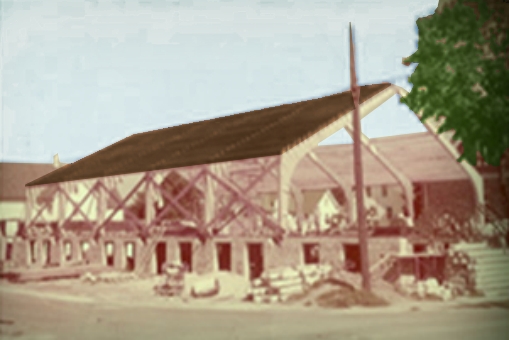
The first Methodists came to Lewes on October 31, 1739, when George Whitefield preached his first Methodist sermon at a local inn. But it was not until 1779, when Mr. Freeborn Garrettson came on a preaching mission, that the Methodists were given a settlement in Lewes.
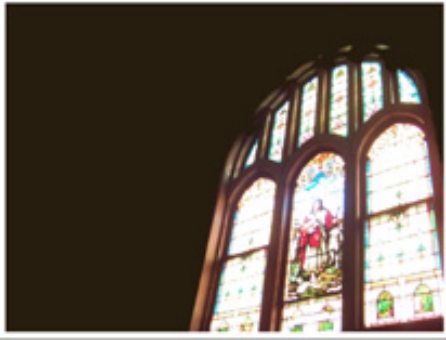
The current Bethel meetinghouse was purchased from John T. Jones in 1909.This Gothic building was built under the direction of Reverend William R. Mowbray, pastor of the Bethel Methodist Episcopal Church from 1907 to 1911. The building contains twenty-nine stained glass windows. Twenty-three of the windows are either a memorial or a gift in honor of someone who lived at the time of the church’s construction.
The sanctuary room contains a lancet window measuring 3.6 by 7.3 meters, based on the well-known painting “Christ in Gethsemane” by Johann Heinrich Hofman. The adjoining roomhas a large window with “The Good Shepherd” by the German artist Bernard Plockhurst
38°46’22.1″N 75°08’32.9″W
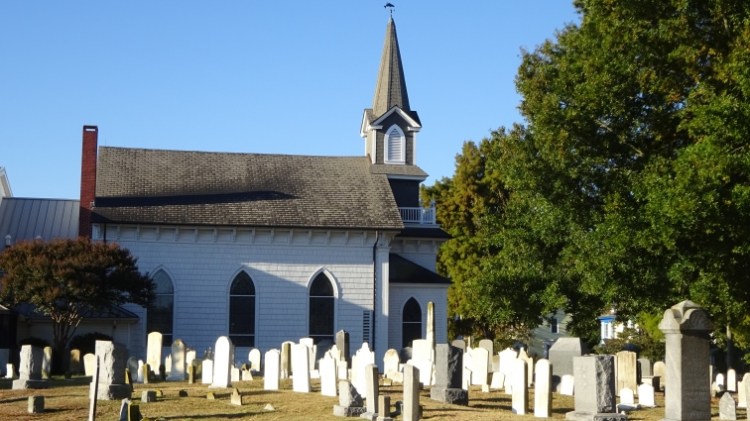
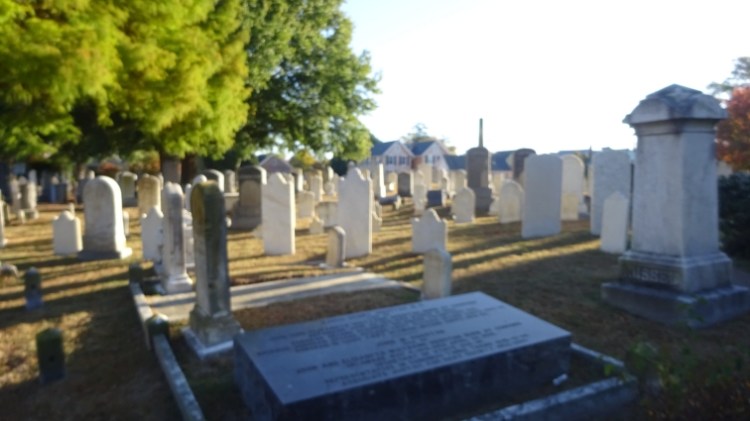
Lewes Presbyteriaanse Church
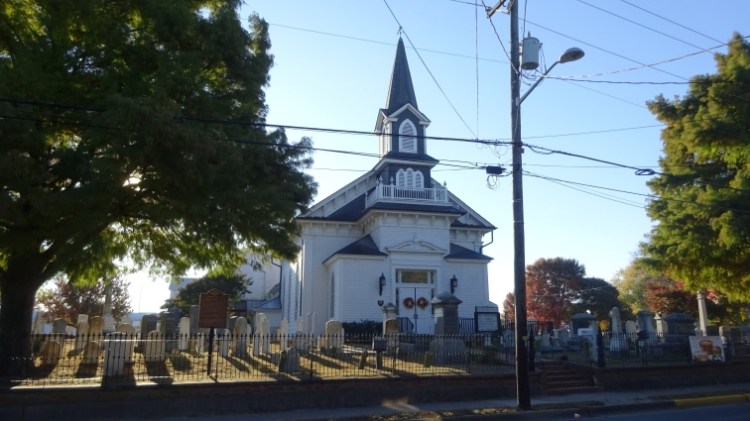
Presbyterianism made its early appearance in the Eastern Shore and Sussex County, as Scots and Scots-Irish sought refuge from the oppression of Charles II of England. In 1683, the presbytery of Laggan, Scotland, sent the Reverend Francis Makemie to America. He is considered the founder of Presbyterianism in America, and under his leadership, the church grew rapidly. In 1683, he founded a church in Rehobeth, Maryland.
The congregation in Lewes was founded in 1692 under the direction of Reverend Samuel Davis, one of Makemie’s “young men”. In 1707, the municipality built a small wooden church on a 30-square-meter plot of land, which was part of an original land grant. This wooden building is said to have been the second Presbyterian church in Delaware.
In 1727, a brick church was built for the Reverend John Thomson, who served the congregation of Lewes from 1717 to 1729.
Over the years, changes have been made to the current church, which used to have a balcony on three sides of the interior. The original windows consisted of three sections of stained glass, which were replaced in 1926 by the six beautiful stained glass windows that now embellish our sanctuary. The pipe organ was purchased in 1900. This organ was completely renovated in 1981 and 2009.
38°46’20.7″N 75°08’21.9″W
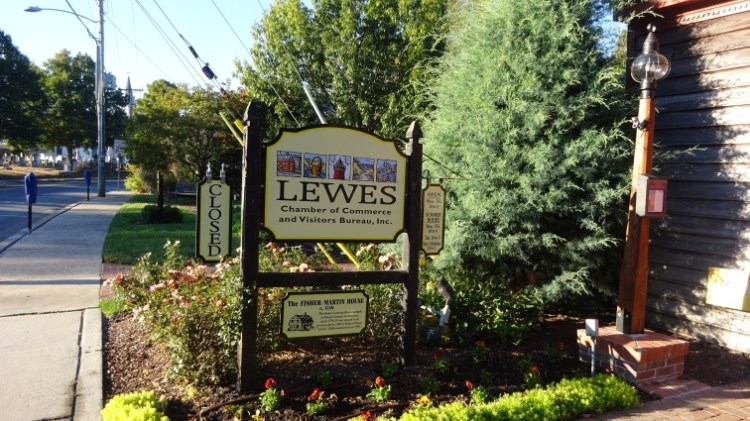
Fisher Martin House
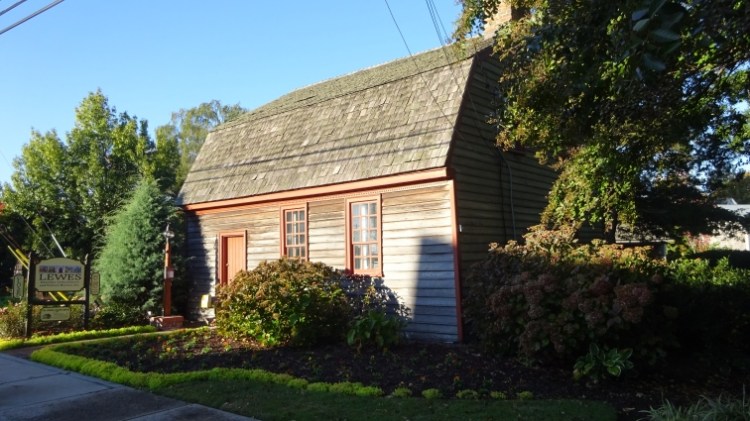
The oldest surviving house in Sussex County that still stands on its original foundation offers a glimpse into 17th-century architecture and the history of naval hero Jacob Jones. The house on Kings Highway dates back to the 1730s. This wooden house with a hipped roof originally stood in Cool Spring, ten kilometers southwest of the current location. . The house was moved to its current location in 1980 in honor of Lewes’ 350th anniversary in 1981. It is now home to the Lewes Chamber of Commerce.
38°46’24.6″N 75°08’20.3″W

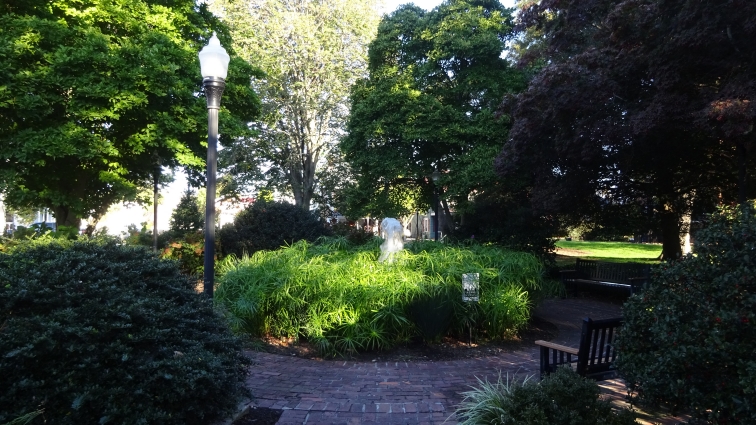
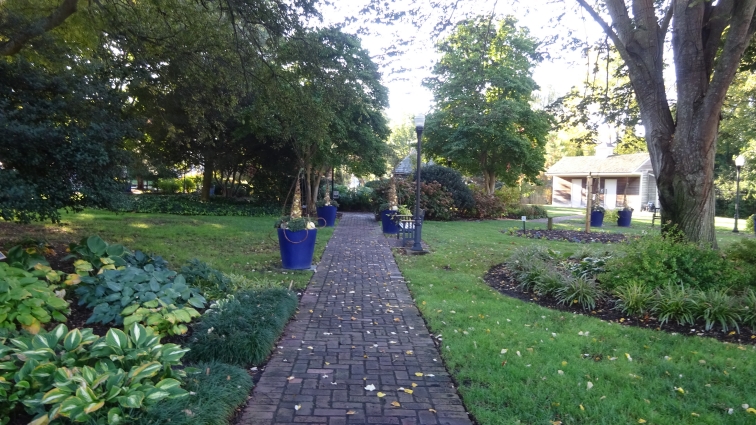
Zwaanendael park
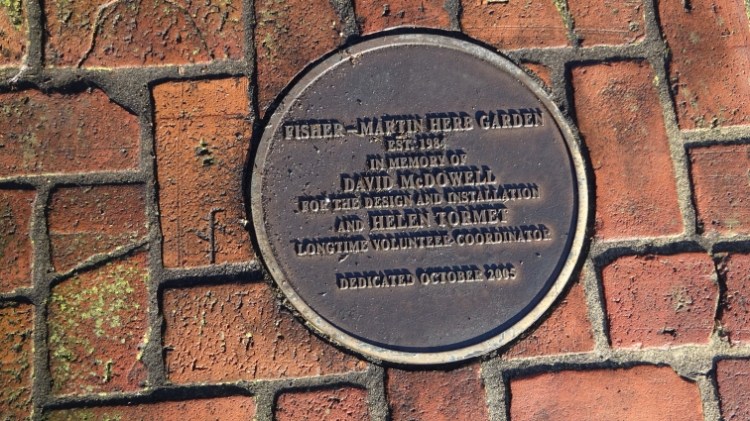
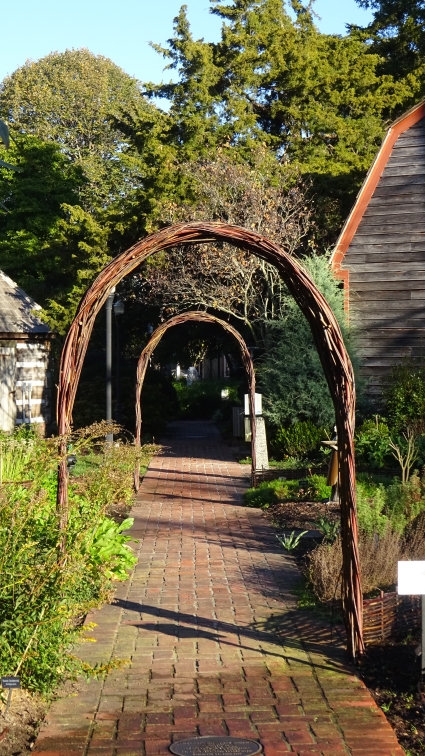
The garden was originally created in 1984 by a group of Lewes residents and was maintained by the Sussex Master Gardeners. Currently, it is maintained by Lewes in Bloom, a local volunteer organization dedicated to gardening.
This park offers carefully maintained planting, historic cannons, park benches and masonry footpaths and a monument to the fallen in the 1st and 2nd World Wars.
It is one of the many parks in Lewes that contribute to its reputation as a First Town in the First State..
38°46’23.8″N 75°08’20.5″W
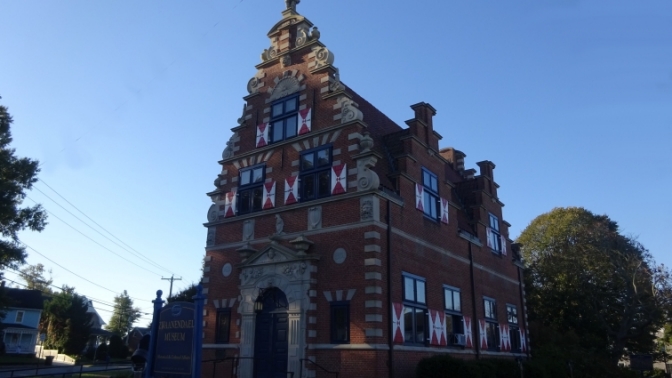
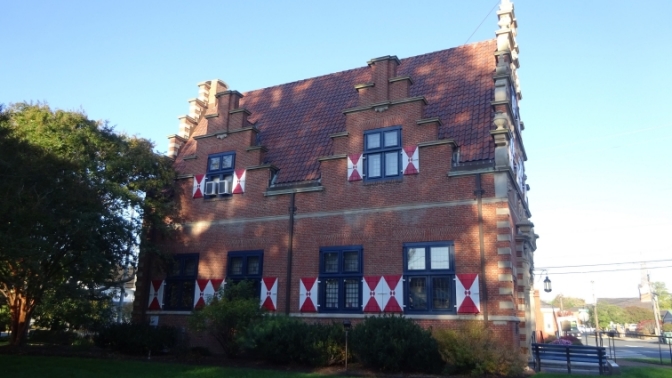

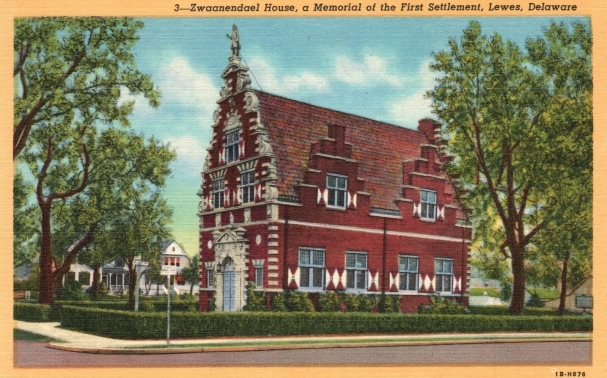
Zwaanendael Museum
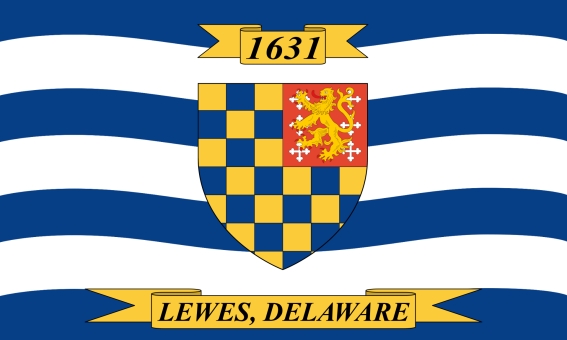
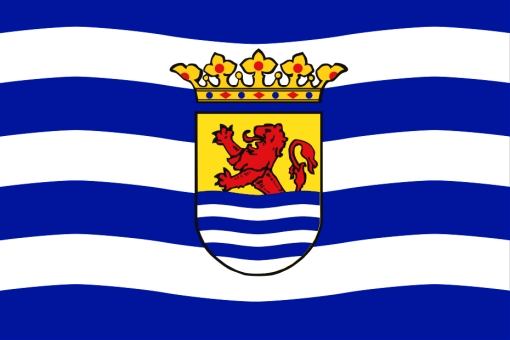
Lewes was the site of the first European settlement in Delaware, a whaling and trading post that Dutch settlers founded on June 3, 1631, and named Zwaanendael (Swan Valley). It is therefore not surprising that the flag of Lewes has many similarities with the catch of the province of Zeeland in the Netherlands.
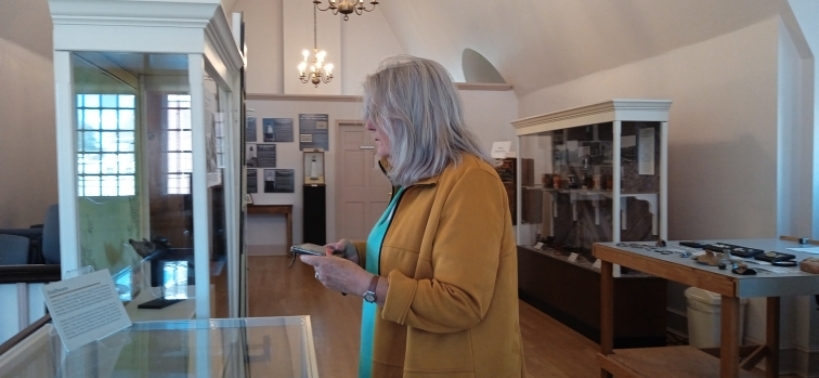
In this museum you can find a lot about the rich history of Lewes and the connection with Holland. You can also find mining porcelain here.
38°46’27.1″N 75°08’20.6″W
Lewes city hall
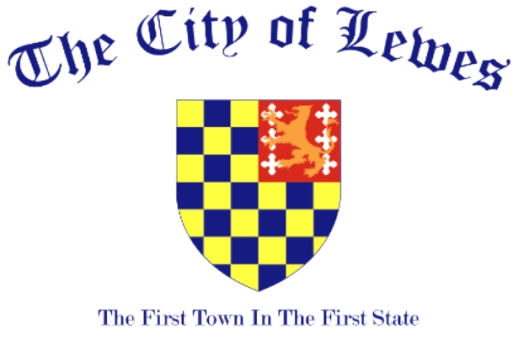
You are now standing in front of the Lewes city hall. Lewes calls itself “The firts town in the firts state”
In the lewes city hall, civil affairs are arranged, houses the Council and you can go for permit applications, among other things.
Lewes had a population of 3797 in 2025. Lewes is currently growing at a rate of 2.57% per year and its population has increased by 14.37% since the most recent census, which recorded a population of 3320 in 2020. The median household income is about $72,609, while the median home price is $612,700.
38°46’24.6″N 75°08’16.2″W
King’s Homemade Ice Cream Shop
We are back where we started.
Did you know that King’s Homemade Ice Cream opened with the philosophy of supporting local charities, school programs and city events?
Also visit our office at 302 Union St. Milton.
Our ice cream is made from only fresh products. Curious how this goes?? Then visit our website by clicking on this link: King’s Homemade Ice Cream
38°46’32.1″N 75°08’24.6″W
Source: Wikipedia, touristlandmarks.com, hippostcard.com, wonderfulmuseums.com, history.delaware.gov, kingshomemadeicecream.com, ci.lewes.de.us, visitdelaware.com, touristsecrets.com, wanderlog.com, tripadvisor.ie, bethellewes.org, stgeorgesame.org, hmdb.org, historiclewes.org, loc8nearme.com,
Legal liability when viewing and using the ‘Be your own Guide’ site
The idea and the website are intellectual property of Berry van Raay, WSPRMP Weesp.
Recorded at BBIE/BIOP.
 Be your own guide